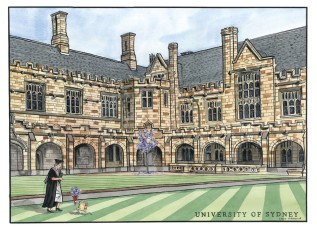
: A Timeless Symbol of Academic Tradition. Nestled in the heart of the University of Sydney's Camperdown campus lies a place of timeless beauty and academic significance - the University Quadrangle. This iconic space, often dubbed the "quads" by students, serves as a hub of campus life and learning. But what truly captures the imagination of all who visit is the majestic Jacaranda tree that graces this historic site. Together, the Quadrangle and the Jacaranda tree stand as symbols of tradition, academic excellence, and natural beauty.
The University of Sydney Quadrangle is an architectural gem, embodying the enduring legacy of the institution. Designed by Edmund Blacket, a prominent 19th-century architect, it is a prime example of neo-Gothic style, characterized by its sandstone façade, soaring spires, and pointed archways. The Quadrangle's four sides enclose a lush, open courtyard, creating a serene oasis within the bustling campus. Students often gather on its verdant lawns, both to study and socialize, and it serves as a backdrop for many important university events, including graduation ceremonies and convocation.
At the heart of the Quadrangle stands the famous Jacaranda tree, with its vibrant purple blossoms and graceful branches. This iconic tree is a sight to behold, particularly during spring when its violet flowers blanket the courtyard, creating a picturesque and dreamlike landscape. The Jacaranda tree's history at the University of Sydney dates back to the early 1920s when the then-Vice-Chancellor, Sir Mungo MacCallum, planted it. Since then, it has become a symbol of the university, synonymous with the approaching end of the academic year and a visual reminder of the passage of time. The tradition of students taking their final exams under the canopy of the Jacaranda is an enduring one, believed by many to bring good luck.
Beyond its aesthetic beauty, the Jacaranda tree also carries cultural significance. In many cultures, the Jacaranda is associated with renewal, growth, and the fleeting nature of life. Its annual blossoming mirrors the students' journey through their academic careers, reminding them that, like the flowers, their time at the university is temporary, and they must seize the opportunities presented to them.
The University of Sydney Quadrangle and the Jacaranda tree encapsulate the essence of academic tradition and beauty. They stand as living testimonials to the rich history and enduring spirit of the institution. The Quadrangle, with its neo-Gothic architecture and serene courtyard, fosters a sense of continuity, connecting generations of students and scholars. The Jacaranda tree, in its annual bloom, reminds us of the cyclical nature of academic life and the importance of seizing the opportunities presented. Together, they create a unique blend of natural beauty and architectural grandeur that serves as a source of inspiration and nostalgia for all who pass through the university's gates. These symbols of tradition and excellence continue to hold a special place in the hearts of students, alumni, and faculty, offering a visual representation of the timeless spirit of the University of Sydney.
- Seasonal Spectacle: The most distinctive feature of Jacaranda trees in Sydney is their seasonal display of striking purple flowers. They typically bloom during the spring months of October and November, covering the city in a blanket of violet. The sight is so captivating that it has earned the nickname "Jacaranda season" and attracts both locals and tourists who come to witness the breathtaking transformation of the city's streets and parks.
- Historical Significance: Jacaranda trees were introduced to Sydney in the late 19th and early 20th centuries. The University of Sydney's iconic Jacaranda tree, as mentioned in the previous essay, was planted in the early 1920s. Over the years, these trees have become symbols of the city's history and culture, and they are deeply rooted in the urban landscape.
- Urban Landscaping: Sydney's local councils and landscape architects have embraced the Jacaranda tree as a popular choice for urban landscaping. You can find these trees lining streets, parks, and public spaces throughout the city. Their elegant canopies and purple blossoms add a touch of beauty and serenity to Sydney's urban environment.
- Photography and Weddings: Jacaranda season is a prime time for photographers and couples planning outdoor weddings. The trees' vibrant color and lush foliage provide an exquisite backdrop for photos, making them a sought-after location for engagement and wedding shoots.
- Community Tradition: In some Sydney suburbs, there's a sense of friendly competition over who has the most impressive Jacaranda-lined street. Residents take pride in caring for these trees, and the blossoming season often leads to community events and festivals, celebrating the arrival of spring.
- Cultural Associations: The Jacaranda tree has gained cultural significance in Sydney and Australia as a whole. Its annual bloom marks the beginning of the warmer season, and it symbolizes the renewal of life and opportunity. Many consider it a symbol of good luck and a sign of hope.
- Conservation Efforts: As iconic as they are, Jacaranda trees face challenges from urban development, pests, and diseases. Some organizations and local authorities work to protect and preserve these trees, recognizing their cultural and environmental importance.
In Sydney, Jacaranda trees have transcended being mere flora to become cultural and seasonal touchstones. They represent the city's unique blend of natural beauty and urban life. Each year, as the Jacaranda blossoms grace the city with their purple splendor, they serve as a reminder of the passage of time and the importance of embracing the transient beauty of life. This enduring symbol of Sydney's charm and tradition continues to capture the imagination of all who experience its annual bloom.
The University of Sydney Quadrangle and the Jacaranda Tree
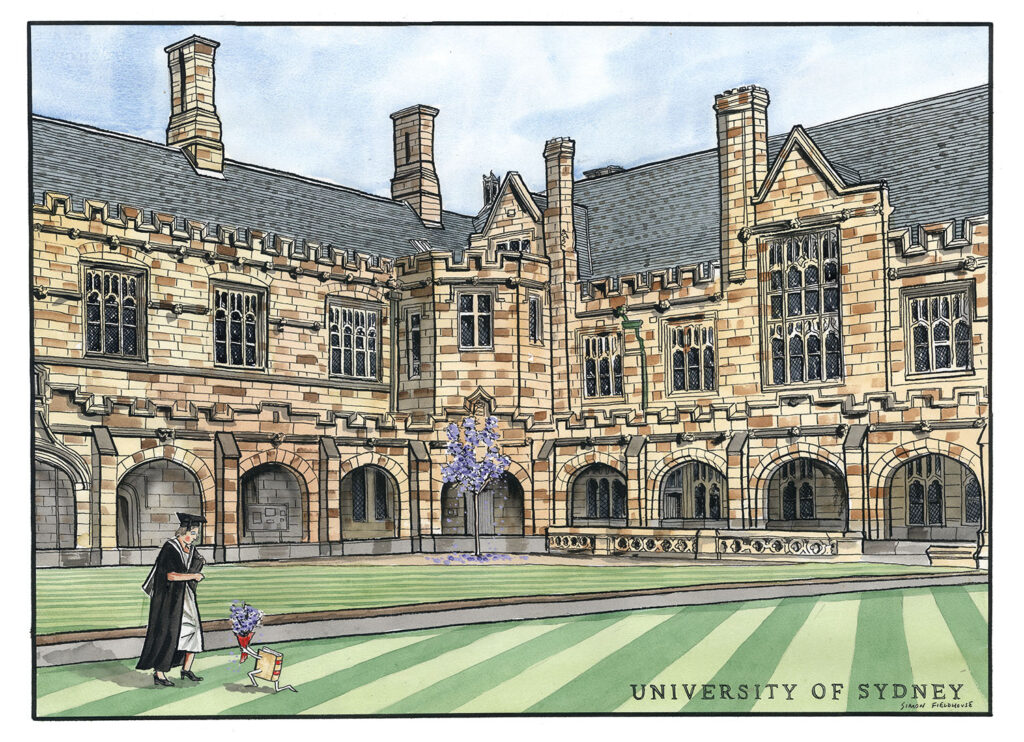
: A Timeless Symbol of Academic Tradition. Nestled in the heart of the University of Sydney's Camperdown campus lies a place of timeless beauty and academic significance - the University Quadrangle. This iconic space, often dubbed the "quads" by students, serves as a hub of campus life and learning. But what truly captures the imagination of all who visit is the majestic Jacaranda tree that graces this historic site. Together, the Quadrangle and the Jacaranda tree stand as symbols of tradition, academic excellence, and natural beauty.
The University of Sydney Quadrangle is an architectural gem, embodying the enduring legacy of the institution. Designed by Edmund Blacket, a prominent 19th-century architect, it is a prime example of neo-Gothic style, characterized by its sandstone façade, soaring spires, and pointed archways. The Quadrangle's four sides enclose a lush, open courtyard, creating a serene oasis within the bustling campus. Students often gather on its verdant lawns, both to study and socialize, and it serves as a backdrop for many important university events, including graduation ceremonies and convocation.
At the heart of the Quadrangle stands the famous Jacaranda tree, with its vibrant purple blossoms and graceful branches. This iconic tree is a sight to behold, particularly during spring when its violet flowers blanket the courtyard, creating a picturesque and dreamlike landscape. The Jacaranda tree's history at the University of Sydney dates back to the early 1920s when the then-Vice-Chancellor, Sir Mungo MacCallum, planted it. Since then, it has become a symbol of the university, synonymous with the approaching end of the academic year and a visual reminder of the passage of time. The tradition of students taking their final exams under the canopy of the Jacaranda is an enduring one, believed by many to bring good luck.
Beyond its aesthetic beauty, the Jacaranda tree also carries cultural significance. In many cultures, the Jacaranda is associated with renewal, growth, and the fleeting nature of life. Its annual blossoming mirrors the students' journey through their academic careers, reminding them that, like the flowers, their time at the university is temporary, and they must seize the opportunities presented to them.
The University of Sydney Quadrangle and the Jacaranda tree encapsulate the essence of academic tradition and beauty. They stand as living testimonials to the rich history and enduring spirit of the institution. The Quadrangle, with its neo-Gothic architecture and serene courtyard, fosters a sense of continuity, connecting generations of students and scholars. The Jacaranda tree, in its annual bloom, reminds us of the cyclical nature of academic life and the importance of seizing the opportunities presented. Together, they create a unique blend of natural beauty and architectural grandeur that serves as a source of inspiration and nostalgia for all who pass through the university's gates. These symbols of tradition and excellence continue to hold a special place in the hearts of students, alumni, and faculty, offering a visual representation of the timeless spirit of the University of Sydney.
- Seasonal Spectacle: The most distinctive feature of Jacaranda trees in Sydney is their seasonal display of striking purple flowers. They typically bloom during the spring months of October and November, covering the city in a blanket of violet. The sight is so captivating that it has earned the nickname "Jacaranda season" and attracts both locals and tourists who come to witness the breathtaking transformation of the city's streets and parks.
- Historical Significance: Jacaranda trees were introduced to Sydney in the late 19th and early 20th centuries. The University of Sydney's iconic Jacaranda tree, as mentioned in the previous essay, was planted in the early 1920s. Over the years, these trees have become symbols of the city's history and culture, and they are deeply rooted in the urban landscape.
- Urban Landscaping: Sydney's local councils and landscape architects have embraced the Jacaranda tree as a popular choice for urban landscaping. You can find these trees lining streets, parks, and public spaces throughout the city. Their elegant canopies and purple blossoms add a touch of beauty and serenity to Sydney's urban environment.
- Photography and Weddings: Jacaranda season is a prime time for photographers and couples planning outdoor weddings. The trees' vibrant color and lush foliage provide an exquisite backdrop for photos, making them a sought-after location for engagement and wedding shoots.
- Community Tradition: In some Sydney suburbs, there's a sense of friendly competition over who has the most impressive Jacaranda-lined street. Residents take pride in caring for these trees, and the blossoming season often leads to community events and festivals, celebrating the arrival of spring.
- Cultural Associations: The Jacaranda tree has gained cultural significance in Sydney and Australia as a whole. Its annual bloom marks the beginning of the warmer season, and it symbolizes the renewal of life and opportunity. Many consider it a symbol of good luck and a sign of hope.
- Conservation Efforts: As iconic as they are, Jacaranda trees face challenges from urban development, pests, and diseases. Some organizations and local authorities work to protect and preserve these trees, recognizing their cultural and environmental importance.
In Sydney, Jacaranda trees have transcended being mere flora to become cultural and seasonal touchstones. They represent the city's unique blend of natural beauty and urban life. Each year, as the Jacaranda blossoms grace the city with their purple splendor, they serve as a reminder of the passage of time and the importance of embracing the transient beauty of life. This enduring symbol of Sydney's charm and tradition continues to capture the imagination of all who experience its annual bloom.