The Palm House in Botanic Garden Adelaide: A Botanical Marvel. Nestled in the heart of Adelaide Botanic Garden, the Palm House stands as an enduring testament to the city's rich horticultural heritage and botanical diversity. This iconic glass and iron structure, often referred to as the "Cathedral of Glass," is a masterpiece of Victorian-era engineering and a captivating showcase of plant life from around the world. With its history dating back to the 19th century, the Palm House in Adelaide has become a symbol of the city's commitment to conservation, education, and the celebration of nature.
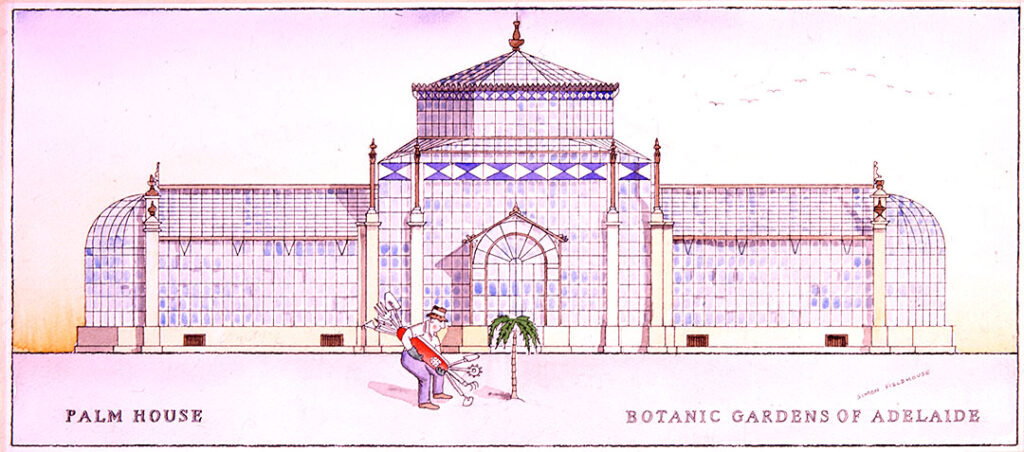
The Palm House was designed by Gustav Runge and built in 1875, during the height of the Victorian era when glasshouses were in vogue across Europe and the British Empire. This architectural gem is a fine example of the Victorian glasshouse style, featuring ornate cast-iron arches and a grand central dome. It was originally constructed as a refuge for tropical and subtropical plants, providing them with the ideal environment to thrive in Adelaide's temperate climate.
One of the standout features of the Palm House is its lush interior, which houses a remarkable collection of plants from various corners of the globe. Visitors can explore a tropical paradise within, with an array of exotic palms, ferns, cycads, and other botanical treasures. The diversity of plant life, combined with the architecture of the building itself, creates a serene and enchanting atmosphere that beckons all who enter.
Beyond its aesthetic appeal, the Palm House plays a pivotal role in the conservation and education efforts of Adelaide Botanic Garden. It serves as an educational resource for students and the general public, offering a captivating setting for learning about plant biology, biodiversity, and the importance of conservation. It also hosts special events and exhibitions throughout the year, further connecting the community with the wonders of the natural world.
One of the most enchanting aspects of the Palm House is its role in showcasing the world's endangered and rare plant species. The garden's dedication to conservation is evident in its efforts to house and propagate endangered plants, making it a vital player in the global effort to preserve biodiversity.
In conclusion, the Palm House in Adelaide is a captivating botanical treasure that has withstood the test of time. Its architectural beauty, lush interiors, and vital role in conservation and education make it a true gem in the city. As one wanders through its hallowed halls, surrounded by the beauty of nature, it's impossible not to feel a sense of wonder and appreciation for the world's remarkable plant life. The Palm House serves as a lasting reminder of the importance of preserving our natural heritage and sharing it with generations to come. For anyone with an appreciation for nature, history, or architectural beauty, the Palm House in Adelaide is an absolute must-see.
- Cast-Iron Elegance: The Palm House boasts a framework of intricately designed cast-iron arches. These arches not only serve as a robust support structure but are also works of art in themselves. The elaborate patterns and decorative elements found in the cast-iron components exemplify the Victorian fascination with ornate design and craftsmanship.
- Glass Elegance: The glass used in the Palm House is not just any ordinary glass. It is ribbed, allowing it to provide optimal diffused light for the plants inside. The curvature and the large expanse of glass create a sense of grandeur and enhance the building's aesthetic appeal. The glistening glass walls and ceiling are nothing short of breathtaking, especially when the sunlight filters through the panes.
- Grand Central Dome: At the heart of the Palm House stands a magnificent central dome, crowned with a decorative finial. This dome is the focal point of the structure and is a symbol of the architectural innovation of the time. It provides an impressive sense of space and allows for the growth of tall palms and other towering plants.
- Symmetry and Proportion: The Palm House is designed with a strong sense of symmetry and proportion. Its layout and design elements are carefully balanced, creating a harmonious and visually pleasing space. The central aisle running through the glasshouse leads visitors on a journey through the lush vegetation, with the symmetry of the arches guiding the way.
- Functionality: While its aesthetics are certainly remarkable, the Palm House's architecture is also highly functional. The building was designed with the primary purpose of creating an ideal environment for tropical and subtropical plants to thrive. The combination of glass and iron creates a stable, controlled microclimate, allowing for the cultivation of a diverse range of plant species, some of which would not normally survive in Adelaide's temperate climate.
- Restoration: Over the years, the Palm House has undergone careful restoration to maintain its historical and architectural significance. The restoration work has ensured that the building continues to be a functional and beautiful space, preserving the authenticity of its original design.
In conclusion, the architecture of the Palm House in Adelaide is a true testament to the Victorian era's fascination with intricate design, innovation, and the blending of form and function. The elegant combination of cast iron and glass, the grand central dome, and the meticulous attention to detail all contribute to its status as an architectural gem. It continues to stand as a beloved symbol of Adelaide's botanical heritage and a masterpiece that captures the essence of an era that celebrated both the natural world and the artistry of construction.
The Palm House - Botanic GardenS Adelaide
The Palm House in Botanic Garden Adelaide: A Botanical Marvel. Nestled in the heart of Adelaide Botanic Garden, the Palm House stands as an enduring testament to the city's rich horticultural heritage and botanical diversity. This iconic glass and iron structure, often referred to as the "Cathedral of Glass," is a masterpiece of Victorian-era engineering and a captivating showcase of plant life from around the world. With its history dating back to the 19th century, the Palm House in Adelaide has become a symbol of the city's commitment to conservation, education, and the celebration of nature.
The Palm House was designed by Gustav Runge and built in 1875, during the height of the Victorian era when glasshouses were in vogue across Europe and the British Empire. This architectural gem is a fine example of the Victorian glasshouse style, featuring ornate cast-iron arches and a grand central dome. It was originally constructed as a refuge for tropical and subtropical plants, providing them with the ideal environment to thrive in Adelaide's temperate climate.
One of the standout features of the Palm House is its lush interior, which houses a remarkable collection of plants from various corners of the globe. Visitors can explore a tropical paradise within, with an array of exotic palms, ferns, cycads, and other botanical treasures. The diversity of plant life, combined with the architecture of the building itself, creates a serene and enchanting atmosphere that beckons all who enter.
Beyond its aesthetic appeal, the Palm House plays a pivotal role in the conservation and education efforts of Adelaide Botanic Garden. It serves as an educational resource for students and the general public, offering a captivating setting for learning about plant biology, biodiversity, and the importance of conservation. It also hosts special events and exhibitions throughout the year, further connecting the community with the wonders of the natural world.
One of the most enchanting aspects of the Palm House is its role in showcasing the world's endangered and rare plant species. The garden's dedication to conservation is evident in its efforts to house and propagate endangered plants, making it a vital player in the global effort to preserve biodiversity.
In conclusion, the Palm House in Adelaide is a captivating botanical treasure that has withstood the test of time. Its architectural beauty, lush interiors, and vital role in conservation and education make it a true gem in the city. As one wanders through its hallowed halls, surrounded by the beauty of nature, it's impossible not to feel a sense of wonder and appreciation for the world's remarkable plant life. The Palm House serves as a lasting reminder of the importance of preserving our natural heritage and sharing it with generations to come. For anyone with an appreciation for nature, history, or architectural beauty, the Palm House in Adelaide is an absolute must-see.
- Cast-Iron Elegance: The Palm House boasts a framework of intricately designed cast-iron arches. These arches not only serve as a robust support structure but are also works of art in themselves. The elaborate patterns and decorative elements found in the cast-iron components exemplify the Victorian fascination with ornate design and craftsmanship.
- Glass Elegance: The glass used in the Palm House is not just any ordinary glass. It is ribbed, allowing it to provide optimal diffused light for the plants inside. The curvature and the large expanse of glass create a sense of grandeur and enhance the building's aesthetic appeal. The glistening glass walls and ceiling are nothing short of breathtaking, especially when the sunlight filters through the panes.
- Grand Central Dome: At the heart of the Palm House stands a magnificent central dome, crowned with a decorative finial. This dome is the focal point of the structure and is a symbol of the architectural innovation of the time. It provides an impressive sense of space and allows for the growth of tall palms and other towering plants.
- Symmetry and Proportion: The Palm House is designed with a strong sense of symmetry and proportion. Its layout and design elements are carefully balanced, creating a harmonious and visually pleasing space. The central aisle running through the glasshouse leads visitors on a journey through the lush vegetation, with the symmetry of the arches guiding the way.
- Functionality: While its aesthetics are certainly remarkable, the Palm House's architecture is also highly functional. The building was designed with the primary purpose of creating an ideal environment for tropical and subtropical plants to thrive. The combination of glass and iron creates a stable, controlled microclimate, allowing for the cultivation of a diverse range of plant species, some of which would not normally survive in Adelaide's temperate climate.
- Restoration: Over the years, the Palm House has undergone careful restoration to maintain its historical and architectural significance. The restoration work has ensured that the building continues to be a functional and beautiful space, preserving the authenticity of its original design.
In conclusion, the architecture of the Palm House in Adelaide is a true testament to the Victorian era's fascination with intricate design, innovation, and the blending of form and function. The elegant combination of cast iron and glass, the grand central dome, and the meticulous attention to detail all contribute to its status as an architectural gem. It continues to stand as a beloved symbol of Adelaide's botanical heritage and a masterpiece that captures the essence of an era that celebrated both the natural world and the artistry of construction.