: A Timeless Icon of Elegance and History.In the heart of Melbourne, Australia, stands an iconic architectural gem that has not only served as a timekeeper but also as a symbol of elegance and history. The Melbourne GPO Clocktower, located atop the General Post Office building, is a revered monument that has witnessed the evolution of a city and its people over the past century and a half.
The Melbourne GPO, built in stages during the mid-19th century, was the city's central hub for postal services. Its clocktower, designed by architect A.E. Johnson, was added in the 1880s and quickly became a beloved landmark. Standing at a height of 96 meters, it offers a stunning vantage point over Melbourne's bustling streets, providing panoramic views of the city's skyline.
The clocktower itself is a masterpiece of architectural design. Its elegant and ornate style is a testament to the Victorian era's love for intricate details and craftsmanship. The tower features a distinctive octagonal shape and is adorned with ornate wrought-iron railings, spires, and sculptures. The clock faces, four in total, are larger than life, measuring a massive 3.2 meters in diameter. These clock faces, made of opal glass, are illuminated at night, giving the tower an enchanting glow.
The GPO Clocktower's significance transcends its aesthetic beauty. Its four clocks have provided Melbourne with reliable timekeeping for generations. In the past, they were relied upon for setting the city's official time, ensuring the synchronization of various activities, from postal services to transportation schedules. To this day, the clocktower remains a reliable timepiece, functioning as a guardian of Melbourne's temporal rhythm.
Beyond its practical functions, the Melbourne GPO Clocktower carries with it a rich history. It was here that people gathered to celebrate major events, such as the end of World War I when the Armistice Bell was rung from its heights. It has also been a site of protest and social gathering, bearing witness to Melbourne's political and cultural evolution. The clocktower stands as a silent sentinel to the passage of time and the enduring spirit of the city.
In recent years, the Melbourne GPO has been transformed into a bustling retail precinct, housing a variety of shops, boutiques, and dining establishments. This reimagining of the GPO has allowed modern Melburnians to interact with and appreciate the historic architecture in a new way. Visitors can explore the clocktower through guided tours, which provide an opportunity to not only admire its stunning architecture but also to learn about its rich history.
The Melbourne GPO Clocktower is more than just a timekeeping mechanism; it is an embodiment of Melbourne's past and present. It reminds us of the enduring elegance of Victorian architecture and the city's evolving identity. As Melburnians and visitors alike gaze upon its clock faces and ornate spires, they are reminded of the timeless beauty and rich history that Melbourne has to offer.
- Octagonal Shape: The clocktower's octagonal shape is a striking departure from traditional clocktower designs, which are often square or rectangular. This unique form gives the tower a distinctive appearance, making it instantly recognizable. Each of the eight faces of the tower has a clock, adding to its visual prominence.
- Ornate Facades: The clocktower's facades are adorned with elaborate decorative elements. Intricate wrought-iron railings surround the viewing platform, providing both safety and aesthetic appeal. The tower's roofline features ornate cresting, and there are decorative motifs and sculptures incorporated into the design.
- Clock Faces: The four clock faces on the tower are colossal, measuring 3.2 meters in diameter each. These opal glass clock faces are highly visible from various parts of the city, making the tower an essential focal point. The large numerals and clock hands are meticulously designed to ensure legibility from a distance.
- Bell and Spire: Above the clock faces, the tower culminates in a slender spire. This spire is adorned with decorative elements and topped with a weathervane. Historically, the tower housed a bell known as the Armistice Bell, which was rung to celebrate the end of World War I. Although the original bell has been removed, the history of this bell remains an essential part of the tower's story.
- Materials: The clocktower is constructed primarily of brick, with the brickwork skillfully executed to create intricate patterns and decorative details. The clock faces are encased in opal glass, allowing for the illumination of the clocks, which gives the tower a magical appearance at night.
- Viewing Platform: The tower not only serves as a beautiful monument but also provides visitors with a stunning vantage point over Melbourne. The viewing platform is surrounded by wrought-iron railings, allowing visitors to enjoy panoramic views of the city's skyline, making it a popular destination for tourists and locals alike.
The Melbourne GPO Clocktower's architectural style has made it an iconic and beloved landmark. Its design showcases the craftsmanship and attention to detail that was characteristic of the Victorian era, and it has retained its elegance and charm over the decades. As a symbol of Melbourne's architectural heritage, the clocktower continues to be an essential part of the city's identity, embodying the timelessness of Victorian architecture in a contemporary urban landscape.
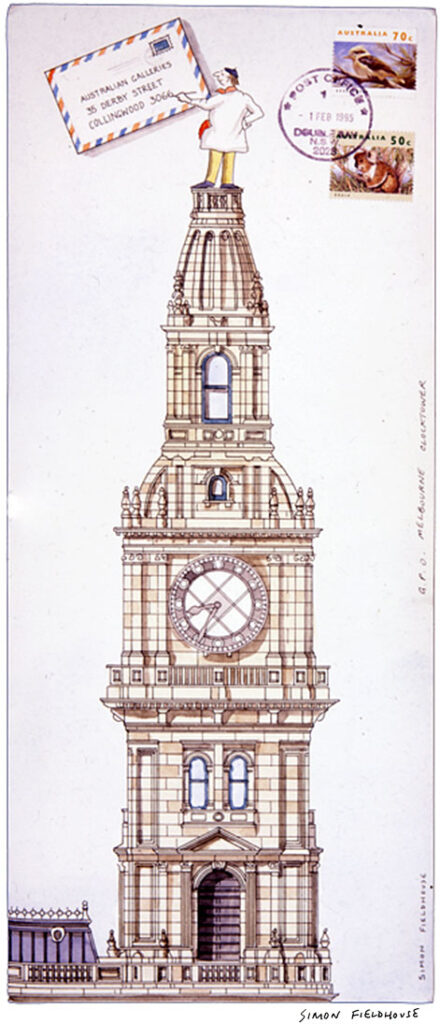
The Melbourne GPO Clocktower
: A Timeless Icon of Elegance and History.In the heart of Melbourne, Australia, stands an iconic architectural gem that has not only served as a timekeeper but also as a symbol of elegance and history. The Melbourne GPO Clocktower, located atop the General Post Office building, is a revered monument that has witnessed the evolution of a city and its people over the past century and a half.
The Melbourne GPO, built in stages during the mid-19th century, was the city's central hub for postal services. Its clocktower, designed by architect A.E. Johnson, was added in the 1880s and quickly became a beloved landmark. Standing at a height of 96 meters, it offers a stunning vantage point over Melbourne's bustling streets, providing panoramic views of the city's skyline.
The clocktower itself is a masterpiece of architectural design. Its elegant and ornate style is a testament to the Victorian era's love for intricate details and craftsmanship. The tower features a distinctive octagonal shape and is adorned with ornate wrought-iron railings, spires, and sculptures. The clock faces, four in total, are larger than life, measuring a massive 3.2 meters in diameter. These clock faces, made of opal glass, are illuminated at night, giving the tower an enchanting glow.
The GPO Clocktower's significance transcends its aesthetic beauty. Its four clocks have provided Melbourne with reliable timekeeping for generations. In the past, they were relied upon for setting the city's official time, ensuring the synchronization of various activities, from postal services to transportation schedules. To this day, the clocktower remains a reliable timepiece, functioning as a guardian of Melbourne's temporal rhythm.
Beyond its practical functions, the Melbourne GPO Clocktower carries with it a rich history. It was here that people gathered to celebrate major events, such as the end of World War I when the Armistice Bell was rung from its heights. It has also been a site of protest and social gathering, bearing witness to Melbourne's political and cultural evolution. The clocktower stands as a silent sentinel to the passage of time and the enduring spirit of the city.
In recent years, the Melbourne GPO has been transformed into a bustling retail precinct, housing a variety of shops, boutiques, and dining establishments. This reimagining of the GPO has allowed modern Melburnians to interact with and appreciate the historic architecture in a new way. Visitors can explore the clocktower through guided tours, which provide an opportunity to not only admire its stunning architecture but also to learn about its rich history.
The Melbourne GPO Clocktower is more than just a timekeeping mechanism; it is an embodiment of Melbourne's past and present. It reminds us of the enduring elegance of Victorian architecture and the city's evolving identity. As Melburnians and visitors alike gaze upon its clock faces and ornate spires, they are reminded of the timeless beauty and rich history that Melbourne has to offer.
- Octagonal Shape: The clocktower's octagonal shape is a striking departure from traditional clocktower designs, which are often square or rectangular. This unique form gives the tower a distinctive appearance, making it instantly recognizable. Each of the eight faces of the tower has a clock, adding to its visual prominence.
- Ornate Facades: The clocktower's facades are adorned with elaborate decorative elements. Intricate wrought-iron railings surround the viewing platform, providing both safety and aesthetic appeal. The tower's roofline features ornate cresting, and there are decorative motifs and sculptures incorporated into the design.
- Clock Faces: The four clock faces on the tower are colossal, measuring 3.2 meters in diameter each. These opal glass clock faces are highly visible from various parts of the city, making the tower an essential focal point. The large numerals and clock hands are meticulously designed to ensure legibility from a distance.
- Bell and Spire: Above the clock faces, the tower culminates in a slender spire. This spire is adorned with decorative elements and topped with a weathervane. Historically, the tower housed a bell known as the Armistice Bell, which was rung to celebrate the end of World War I. Although the original bell has been removed, the history of this bell remains an essential part of the tower's story.
- Materials: The clocktower is constructed primarily of brick, with the brickwork skillfully executed to create intricate patterns and decorative details. The clock faces are encased in opal glass, allowing for the illumination of the clocks, which gives the tower a magical appearance at night.
- Viewing Platform: The tower not only serves as a beautiful monument but also provides visitors with a stunning vantage point over Melbourne. The viewing platform is surrounded by wrought-iron railings, allowing visitors to enjoy panoramic views of the city's skyline, making it a popular destination for tourists and locals alike.
The Melbourne GPO Clocktower's architectural style has made it an iconic and beloved landmark. Its design showcases the craftsmanship and attention to detail that was characteristic of the Victorian era, and it has retained its elegance and charm over the decades. As a symbol of Melbourne's architectural heritage, the clocktower continues to be an essential part of the city's identity, embodying the timelessness of Victorian architecture in a contemporary urban landscape.