Former Carlton Court House - Melbourne, stands as a remarkable testament to the city's rich history and architectural heritage. Built in the mid-19th century, this iconic structure has played a multifaceted role in the development of Melbourne, witnessing significant events and transformations over the years.
Constructed in 1859, the Carlton Court House was designed by architect William Wardell, whose architectural prowess can be seen in numerous landmarks across Melbourne. The building's architectural style is a blend of Gothic Revival and Classical elements, characterized by its imposing façade, intricate stonework, and elegant columns. The courthouse's aesthetics not only reflect the design sensibilities of the era but also symbolize the importance of justice in society.
Throughout its history, the Carlton Court House served as the venue for various legal proceedings and played a pivotal role in the administration of justice in Melbourne. The courthouse was integral to the legal system, hosting trials, hearings, and other legal functions. Its significance in the legal landscape of Melbourne is evident through its association with numerous landmark cases, further solidifying its place in the city's history.
Apart from its judicial role, the Carlton Court House also played a vital role in Melbourne's cultural and social life. The grandeur of the building made it a popular venue for a wide range of events, including public meetings, exhibitions, and cultural gatherings. It hosted events that were central to the city's cultural and social identity. This dual function of the courthouse as both a seat of justice and a cultural hub highlights its versatility and historical importance.
In the 20th century, as Melbourne's urban landscape evolved, the former Carlton Court House faced the threat of demolition. However, preservation efforts by various historical and community groups managed to save this architectural gem. The building was eventually repurposed and now houses the Koorie Heritage Trust, which is dedicated to preserving and showcasing the cultural heritage of Indigenous Australians. This transformation not only ensures the continued existence of the former Carlton Court House but also celebrates Melbourne's rich Indigenous history.
The former Carlton Court House's enduring legacy is a testament to the importance of preserving historical landmarks. It reminds us of the city's evolution and the pivotal role that justice, culture, and heritage play in shaping its identity. As a heritage-listed building, it stands as a living relic of Melbourne's past and an important resource for historical research and education.
In conclusion, the former Carlton Court House is a symbol of Melbourne's rich history, architectural heritage, and its ongoing commitment to preserving the past. This iconic structure, with its blend of architectural styles and multifaceted history, continues to stand proudly as a testament to the city's past and a beacon for its future. Its significance extends beyond mere bricks and mortar; it represents the values of justice, culture, and community that have defined Melbourne's identity for generations.
- Gothic Revival Elements: The courthouse prominently features Gothic Revival architecture, which was a popular style during the mid-19th century. This style is evident in the pointed arches, ornate tracery, and intricate stonework on the building's exterior. These Gothic elements, such as the arches over the entrances and windows, give the courthouse a sense of grandeur and a touch of romanticism.
- Classical Influence: While the Gothic Revival style dominates the design, there are Classical influences as well. The building incorporates classical columns, particularly Corinthian columns, which can be seen in the portico at the main entrance. This Classical influence adds an element of symmetry and grandiosity to the courthouse's overall appearance.
- Stonework: The stonework on the building's facade is a remarkable feature. The use of bluestone, a locally sourced volcanic rock, gives the courthouse a sturdy and enduring presence. The detailed carvings and ornamentation in the stonework, including the intricate rose window above the entrance, showcase the craftsmanship of the era.
- Architectural Symmetry: The former Carlton Court House is characterized by its architectural symmetry, a common feature in both Gothic and Classical styles. The central entrance is flanked by evenly spaced windows, and the building's exterior follows a symmetrical pattern, creating a harmonious and visually pleasing design.
- Towers and Spires: At the corners of the building, there are octagonal towers with spires that add a touch of verticality to the structure. These towers, adorned with finials, are reminiscent of the Gothic architectural tradition and give the building a distinctive silhouette against the Melbourne skyline.
- Interior Design: The interior of the courthouse is equally impressive. The main courtroom features high, vaulted ceilings, stained glass windows, and detailed woodwork. The combination of these elements contributes to a sense of grandeur and solemnity that is appropriate for a court of law.
- Heritage Conservation: Over the years, efforts have been made to preserve and restore the courthouse's architectural features, ensuring that its historical and aesthetic significance remains intact. This preservation work serves as a testament to Melbourne's commitment to protecting its architectural heritage.
In conclusion, the former Carlton Court House's architecture is a beautiful fusion of Gothic Revival and Classical elements, resulting in a building that is not only historically significant but also aesthetically captivating. The intricate stonework, arches, columns, and towers, all contribute to its unique charm. As a well-preserved heritage site, the courthouse continues to stand as a testament to the architectural and historical legacy of Melbourne, attracting visitors and admirers from around the world.
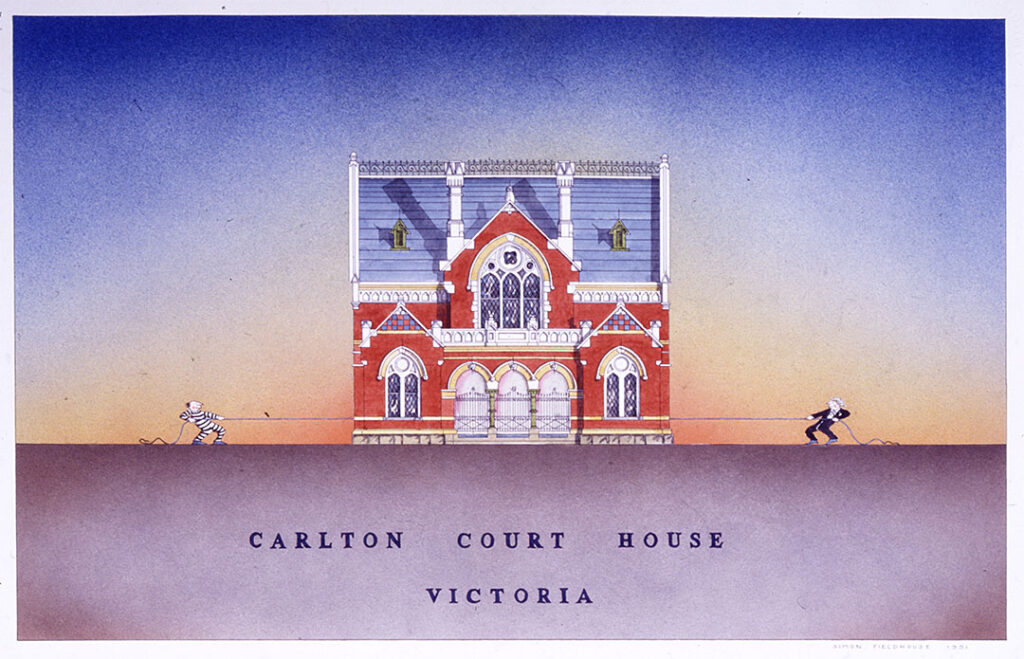
Former Carlton Court House - Melbourne
Former Carlton Court House - Melbourne, stands as a remarkable testament to the city's rich history and architectural heritage. Built in the mid-19th century, this iconic structure has played a multifaceted role in the development of Melbourne, witnessing significant events and transformations over the years.
Constructed in 1859, the Carlton Court House was designed by architect William Wardell, whose architectural prowess can be seen in numerous landmarks across Melbourne. The building's architectural style is a blend of Gothic Revival and Classical elements, characterized by its imposing façade, intricate stonework, and elegant columns. The courthouse's aesthetics not only reflect the design sensibilities of the era but also symbolize the importance of justice in society.
Throughout its history, the Carlton Court House served as the venue for various legal proceedings and played a pivotal role in the administration of justice in Melbourne. The courthouse was integral to the legal system, hosting trials, hearings, and other legal functions. Its significance in the legal landscape of Melbourne is evident through its association with numerous landmark cases, further solidifying its place in the city's history.
Apart from its judicial role, the Carlton Court House also played a vital role in Melbourne's cultural and social life. The grandeur of the building made it a popular venue for a wide range of events, including public meetings, exhibitions, and cultural gatherings. It hosted events that were central to the city's cultural and social identity. This dual function of the courthouse as both a seat of justice and a cultural hub highlights its versatility and historical importance.
In the 20th century, as Melbourne's urban landscape evolved, the former Carlton Court House faced the threat of demolition. However, preservation efforts by various historical and community groups managed to save this architectural gem. The building was eventually repurposed and now houses the Koorie Heritage Trust, which is dedicated to preserving and showcasing the cultural heritage of Indigenous Australians. This transformation not only ensures the continued existence of the former Carlton Court House but also celebrates Melbourne's rich Indigenous history.
The former Carlton Court House's enduring legacy is a testament to the importance of preserving historical landmarks. It reminds us of the city's evolution and the pivotal role that justice, culture, and heritage play in shaping its identity. As a heritage-listed building, it stands as a living relic of Melbourne's past and an important resource for historical research and education.
In conclusion, the former Carlton Court House is a symbol of Melbourne's rich history, architectural heritage, and its ongoing commitment to preserving the past. This iconic structure, with its blend of architectural styles and multifaceted history, continues to stand proudly as a testament to the city's past and a beacon for its future. Its significance extends beyond mere bricks and mortar; it represents the values of justice, culture, and community that have defined Melbourne's identity for generations.
- Gothic Revival Elements: The courthouse prominently features Gothic Revival architecture, which was a popular style during the mid-19th century. This style is evident in the pointed arches, ornate tracery, and intricate stonework on the building's exterior. These Gothic elements, such as the arches over the entrances and windows, give the courthouse a sense of grandeur and a touch of romanticism.
- Classical Influence: While the Gothic Revival style dominates the design, there are Classical influences as well. The building incorporates classical columns, particularly Corinthian columns, which can be seen in the portico at the main entrance. This Classical influence adds an element of symmetry and grandiosity to the courthouse's overall appearance.
- Stonework: The stonework on the building's facade is a remarkable feature. The use of bluestone, a locally sourced volcanic rock, gives the courthouse a sturdy and enduring presence. The detailed carvings and ornamentation in the stonework, including the intricate rose window above the entrance, showcase the craftsmanship of the era.
- Architectural Symmetry: The former Carlton Court House is characterized by its architectural symmetry, a common feature in both Gothic and Classical styles. The central entrance is flanked by evenly spaced windows, and the building's exterior follows a symmetrical pattern, creating a harmonious and visually pleasing design.
- Towers and Spires: At the corners of the building, there are octagonal towers with spires that add a touch of verticality to the structure. These towers, adorned with finials, are reminiscent of the Gothic architectural tradition and give the building a distinctive silhouette against the Melbourne skyline.
- Interior Design: The interior of the courthouse is equally impressive. The main courtroom features high, vaulted ceilings, stained glass windows, and detailed woodwork. The combination of these elements contributes to a sense of grandeur and solemnity that is appropriate for a court of law.
- Heritage Conservation: Over the years, efforts have been made to preserve and restore the courthouse's architectural features, ensuring that its historical and aesthetic significance remains intact. This preservation work serves as a testament to Melbourne's commitment to protecting its architectural heritage.
In conclusion, the former Carlton Court House's architecture is a beautiful fusion of Gothic Revival and Classical elements, resulting in a building that is not only historically significant but also aesthetically captivating. The intricate stonework, arches, columns, and towers, all contribute to its unique charm. As a well-preserved heritage site, the courthouse continues to stand as a testament to the architectural and historical legacy of Melbourne, attracting visitors and admirers from around the world.