.
Brighton Beach Bathing Boxes: A Colorful Reflection of Melbourne's Coastal Culture
Melbourne, the vibrant and diverse capital of Victoria, Australia, boasts a unique coastal gem along its southern shores – the Brighton Beach Bathing Boxes. These charming structures, a testament to the city's rich cultural heritage and appreciation for the sea, have become an iconic symbol of Melbourne's beach culture and are recognized worldwide for their vibrant, multicolored facades.
The history of the Brighton Beach Bathing Boxes dates back to the late 19th century, when beach bathing was rapidly gaining popularity among Melbourne's elite. Originally, these structures were utilitarian in nature, providing a place for bathers to change into their swimsuits and shelter from the sun. Over time, they evolved into much more than mere changing rooms, transforming into miniature beachfront homes for their owners.
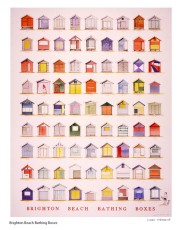
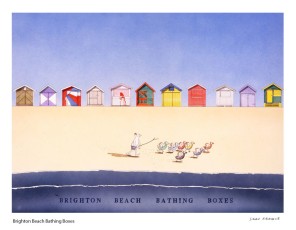
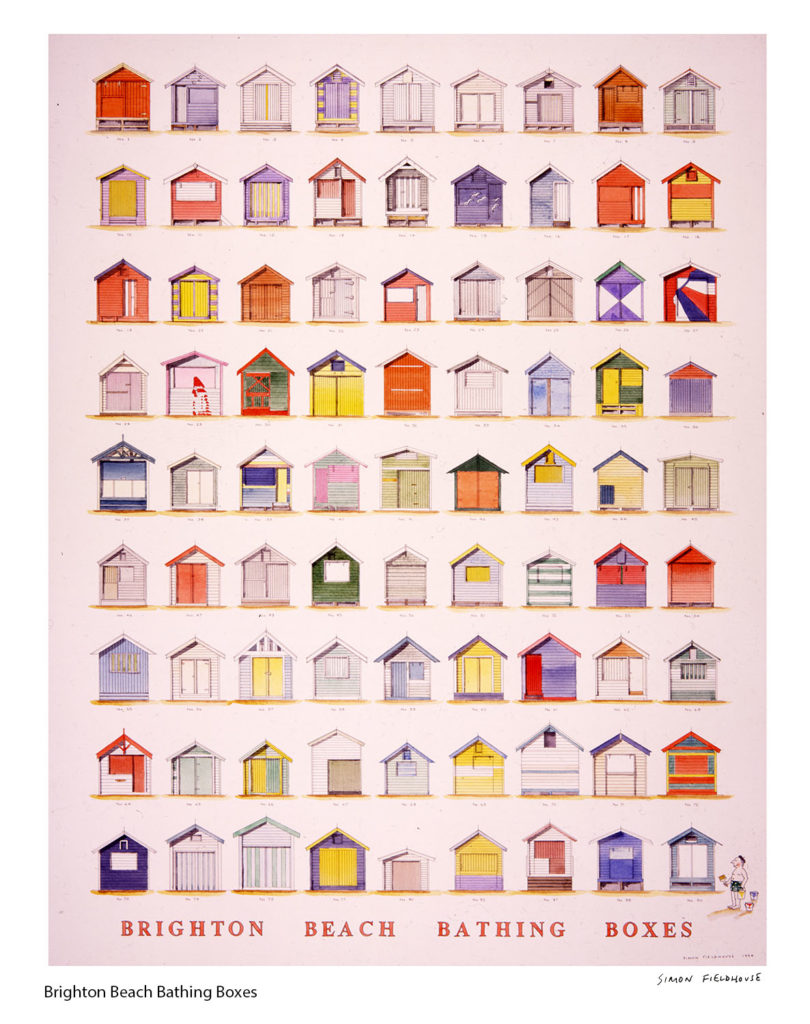
What sets these bathing boxes apart is their stunning and unique aesthetic. Standing in neat rows along the picturesque Brighton Beach, the bathing boxes are painted in a dazzling array of colors, forming a captivating contrast against the backdrop of the clear blue waters and the golden sands. This vibrant spectrum not only serves as a striking visual attraction but also reflects the individuality and creativity of their owners. Each box, no larger than a garden shed, is adorned with its distinctive design, providing a glimpse into the personality and preferences of the owner.
While the Brighton Beach Bathing Boxes are iconic for their aesthetic appeal, they also play a crucial role in preserving Melbourne's cultural heritage. These structures have been carefully preserved over the years, and the local community has taken great pride in maintaining their historical significance. This commitment to heritage conservation helps connect the present-day Melburnians to their ancestors' beach traditions and the city's evolving seaside culture.
The bathing boxes have also played a role in fostering a sense of community among their owners and admirers. Owners of these beloved beachside retreats often have a strong sense of camaraderie, participating in events, charity initiatives, and maintenance efforts together. Visitors and tourists, too, have formed a strong attachment to the Brighton Beach Bathing Boxes, making them a must-see destination for those exploring Melbourne's southern coast.
In conclusion, the Brighton Beach Bathing Boxes represent a unique and enduring aspect of Melbourne's coastal culture. Beyond their functional purpose, they are a testament to the city's rich history, its embrace of seaside living, and the sense of community that has evolved around them. As these colorful icons continue to stand tall along the shores of Brighton Beach, they serve as a testament to the enduring charm of Melbourne's coastal culture, inviting both locals and visitors to bask in their vibrant and historic allure.
- United Kingdom: Bathing machines, often considered precursors to modern bathing boxes, were used in the United Kingdom during the 18th and 19th centuries. These horse-drawn carts with changing rooms allowed Victorian-era beachgoers to enter the water modestly, as it was considered improper to be seen in a swimsuit.
- Scandinavia: In countries like Sweden and Norway, colorful bathing huts have long been popular along the Baltic and North Sea coastlines. These huts are used for changing and storage of beach equipment and are often painted in traditional Scandinavian colors.
- South Africa: Beach huts, known as beach cabins, have been a feature of South African beaches for many decades. The huts are a popular choice for day visitors and provide a sense of privacy and convenience while enjoying the sun and surf.
- Australia: As mentioned earlier, Australia's Brighton Beach Bathing Boxes are among the most famous in the world. The first bathing boxes in Melbourne, Victoria, date back to the late 19th century and have become iconic symbols of the country's coastal culture.
- New Zealand: New Zealand also has a history of beach huts, particularly in regions with popular beach destinations. Like their Australian counterparts, these huts serve as changing rooms, storage spaces, and a reflection of the local beach culture.
- France: The French coastline features a variety of beach cabins, known as "les cabines de plage." These structures are both functional and aesthetically pleasing, often adorned with bright colors and charming designs.
- United States: While not as widespread as in some other countries, beach huts can be found along the coasts of the United States, particularly in New England and parts of the West Coast. They serve a similar purpose as their international counterparts, offering shelter and convenience to beachgoers.
- Japan: Japan's coastal areas also have their own version of beach huts, known as "umi no ie" or "beach houses." These huts often feature traditional Japanese design elements and are a part of the vibrant beach culture in the country.
Bathing boxes, beach huts, or beach cabins have evolved from practical facilities for beachgoers into cultural symbols that reflect the local coastal identity and history of each region. Whether they are used for changing into swimsuits, storing beach equipment, or simply enjoying the view, these structures continue to hold a special place in the hearts of beach lovers around the world. Their historical and cultural significance transcends their utilitarian function, making them enduring and beloved coastal landmarks.
Brighton Beach Bathing Boxes Melbourne
.
Brighton Beach Bathing Boxes: A Colorful Reflection of Melbourne's Coastal Culture
Melbourne, the vibrant and diverse capital of Victoria, Australia, boasts a unique coastal gem along its southern shores – the Brighton Beach Bathing Boxes. These charming structures, a testament to the city's rich cultural heritage and appreciation for the sea, have become an iconic symbol of Melbourne's beach culture and are recognized worldwide for their vibrant, multicolored facades.
The history of the Brighton Beach Bathing Boxes dates back to the late 19th century, when beach bathing was rapidly gaining popularity among Melbourne's elite. Originally, these structures were utilitarian in nature, providing a place for bathers to change into their swimsuits and shelter from the sun. Over time, they evolved into much more than mere changing rooms, transforming into miniature beachfront homes for their owners.
What sets these bathing boxes apart is their stunning and unique aesthetic. Standing in neat rows along the picturesque Brighton Beach, the bathing boxes are painted in a dazzling array of colors, forming a captivating contrast against the backdrop of the clear blue waters and the golden sands. This vibrant spectrum not only serves as a striking visual attraction but also reflects the individuality and creativity of their owners. Each box, no larger than a garden shed, is adorned with its distinctive design, providing a glimpse into the personality and preferences of the owner.
While the Brighton Beach Bathing Boxes are iconic for their aesthetic appeal, they also play a crucial role in preserving Melbourne's cultural heritage. These structures have been carefully preserved over the years, and the local community has taken great pride in maintaining their historical significance. This commitment to heritage conservation helps connect the present-day Melburnians to their ancestors' beach traditions and the city's evolving seaside culture.
The bathing boxes have also played a role in fostering a sense of community among their owners and admirers. Owners of these beloved beachside retreats often have a strong sense of camaraderie, participating in events, charity initiatives, and maintenance efforts together. Visitors and tourists, too, have formed a strong attachment to the Brighton Beach Bathing Boxes, making them a must-see destination for those exploring Melbourne's southern coast.
In conclusion, the Brighton Beach Bathing Boxes represent a unique and enduring aspect of Melbourne's coastal culture. Beyond their functional purpose, they are a testament to the city's rich history, its embrace of seaside living, and the sense of community that has evolved around them. As these colorful icons continue to stand tall along the shores of Brighton Beach, they serve as a testament to the enduring charm of Melbourne's coastal culture, inviting both locals and visitors to bask in their vibrant and historic allure.
- United Kingdom: Bathing machines, often considered precursors to modern bathing boxes, were used in the United Kingdom during the 18th and 19th centuries. These horse-drawn carts with changing rooms allowed Victorian-era beachgoers to enter the water modestly, as it was considered improper to be seen in a swimsuit.
- Scandinavia: In countries like Sweden and Norway, colorful bathing huts have long been popular along the Baltic and North Sea coastlines. These huts are used for changing and storage of beach equipment and are often painted in traditional Scandinavian colors.
- South Africa: Beach huts, known as beach cabins, have been a feature of South African beaches for many decades. The huts are a popular choice for day visitors and provide a sense of privacy and convenience while enjoying the sun and surf.
- Australia: As mentioned earlier, Australia's Brighton Beach Bathing Boxes are among the most famous in the world. The first bathing boxes in Melbourne, Victoria, date back to the late 19th century and have become iconic symbols of the country's coastal culture.
- New Zealand: New Zealand also has a history of beach huts, particularly in regions with popular beach destinations. Like their Australian counterparts, these huts serve as changing rooms, storage spaces, and a reflection of the local beach culture.
- France: The French coastline features a variety of beach cabins, known as "les cabines de plage." These structures are both functional and aesthetically pleasing, often adorned with bright colors and charming designs.
- United States: While not as widespread as in some other countries, beach huts can be found along the coasts of the United States, particularly in New England and parts of the West Coast. They serve a similar purpose as their international counterparts, offering shelter and convenience to beachgoers.
- Japan: Japan's coastal areas also have their own version of beach huts, known as "umi no ie" or "beach houses." These huts often feature traditional Japanese design elements and are a part of the vibrant beach culture in the country.
Bathing boxes, beach huts, or beach cabins have evolved from practical facilities for beachgoers into cultural symbols that reflect the local coastal identity and history of each region. Whether they are used for changing into swimsuits, storing beach equipment, or simply enjoying the view, these structures continue to hold a special place in the hearts of beach lovers around the world. Their historical and cultural significance transcends their utilitarian function, making them enduring and beloved coastal landmarks.