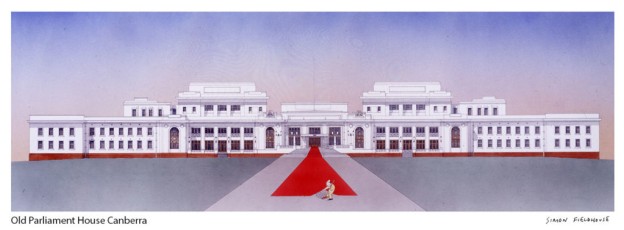
Old Parliament House in Canberra, Australia, stands as a remarkable testament to the nation's history, architectural heritage, and cultural significance. Completed in 1927, it served as the seat of the Australian Parliament until 1988 when the new Parliament House was inaugurated. Over the years, Old Parliament House has come to symbolize the development of Australian democracy and the changing face of the nation.
From an architectural perspective, Old Parliament House is a striking example of the classical revival style. Designed by John Smith Murdoch, it features grand columns, a central dome, and neoclassical details, which draw inspiration from the great buildings of ancient Greece and Rome. The grandeur and dignity of this architectural style echo the importance of the institution it housed and the democratic values it represented. The building's sandstone exterior is a testament to the durability of the material, while its interior boasts intricate detailing, including mosaic floors and ornate ceilings.
Old Parliament House played a significant role in shaping Australia's history. It was in this building that many crucial decisions were made, laws were passed, and the nation's identity was molded. One of the most notable events in the building's history is the passage of the 1967 referendum, which led to the inclusion of Indigenous Australians in the national census and expanded their civil rights. This historic moment represented a crucial step towards reconciliation and equality in the country. Old Parliament House also witnessed the debates and discussions surrounding the formation of the Australian identity, the development of social policies, and the country's transition from a British colony to an independent nation.
The cultural significance of Old Parliament House cannot be overstated. It is not only a symbol of Australia's political heritage but also a space that has hosted countless cultural and social events over the years. The building's rich history includes royal receptions, state banquets, and significant cultural gatherings. It was the place where iconic figures in Australian politics, like Sir Robert Menzies and Gough Whitlam, addressed the nation and shaped its future. The House of Representatives Chamber, the Senate Chamber, and the Prime Minister's Suite are spaces where pivotal decisions were made, and their preservation allows future generations to step back in time and relive those moments.
Today, Old Parliament House serves as the Museum of Australian Democracy (MoAD). The museum provides visitors with an in-depth understanding of Australia's political history and the democratic process. It includes interactive exhibitions, educational programs, and a rich collection of artifacts, making it a hub for learning and civic engagement. It hosts events, exhibitions, and educational initiatives that celebrate the country's democratic journey.
In conclusion, Old Parliament House in Canberra is a symbol of Australia's history, a masterpiece of architecture, and a repository of cultural significance. Its grandeur and elegance continue to captivate visitors while its historical importance and the events that took place within its walls remain a vital part of Australia's national narrative. Through its transformation into the Museum of Australian Democracy, Old Parliament House ensures that its legacy endures, offering valuable lessons about democracy and the nation's past to future generations.
Designed by John Smith Murdoch, Old Parliament House embodies a classical revival architectural style, also known as the "stripped classical" or "Inter-War Stripped Classical" style. This style was popular in the first half of the 20th century and sought to capture the grandeur and timelessness of classical architecture while simplifying its ornamental elements. Old Parliament House's neoclassical design features several noteworthy architectural elements:
- Symmetry: The building's façade is meticulously symmetrical, with a central dome flanked by colonnaded wings on either side. This symmetrical design is a hallmark of neoclassical architecture and represents order and balance, reflecting the principles of democracy and stability.
- Columns and Porticos: The grand columns, or pilasters, that adorn the building's exterior create a sense of monumentality. The pedimented porticos at the entrance of the building are supported by these columns, providing a sense of importance and formality.
- Dome: The central dome is a prominent feature of Old Parliament House. It adds a sense of dignity to the building and is a visual focal point, drawing the eye upward. The dome is often associated with capitol buildings and signifies the importance of the institution it houses.
- Sandstone Exterior: The use of sandstone for the building's exterior not only lends a sense of permanence and durability but also connects the structure to the Australian landscape. The sandstone quarried in various regions of Australia was used, and the unique qualities of each type of sandstone are celebrated in the building's construction.
- Ornate Interiors: Inside, the building boasts a rich array of decorative elements. Elaborate plasterwork, mosaic floors, and ornate ceilings with decorative motifs reflect the architectural styles of the time. The House of Representatives Chamber and the Senate Chamber are particularly notable for their intricate detailing.
Old Parliament House was not only designed to be functional but also to serve as a symbol of Australia's political evolution and maturity as a nation. The architectural choices made for the building were a reflection of the country's aspirations for its democratic system and its place in the world.
Today, Old Parliament House's architecture remains well-preserved and meticulously maintained as part of its status as a national heritage site. It is an architectural jewel that not only tells the story of Australian democracy but also stands as a testament to the skill and craftsmanship of the architects and builders who created it. The building's architectural significance goes hand in hand with its historical and cultural importance, making it a symbol of national pride and a site of learning and appreciation for visitors from around the world.
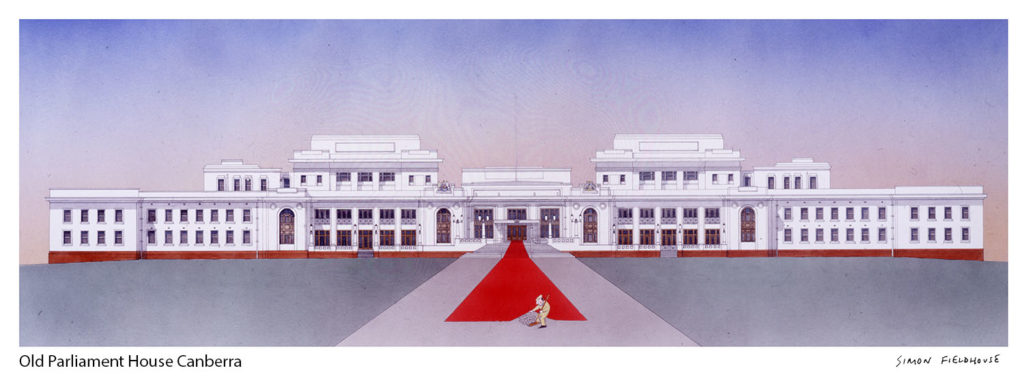
Old Parliament House Canberra
Old Parliament House in Canberra, Australia, stands as a remarkable testament to the nation's history, architectural heritage, and cultural significance. Completed in 1927, it served as the seat of the Australian Parliament until 1988 when the new Parliament House was inaugurated. Over the years, Old Parliament House has come to symbolize the development of Australian democracy and the changing face of the nation.
From an architectural perspective, Old Parliament House is a striking example of the classical revival style. Designed by John Smith Murdoch, it features grand columns, a central dome, and neoclassical details, which draw inspiration from the great buildings of ancient Greece and Rome. The grandeur and dignity of this architectural style echo the importance of the institution it housed and the democratic values it represented. The building's sandstone exterior is a testament to the durability of the material, while its interior boasts intricate detailing, including mosaic floors and ornate ceilings.
Old Parliament House played a significant role in shaping Australia's history. It was in this building that many crucial decisions were made, laws were passed, and the nation's identity was molded. One of the most notable events in the building's history is the passage of the 1967 referendum, which led to the inclusion of Indigenous Australians in the national census and expanded their civil rights. This historic moment represented a crucial step towards reconciliation and equality in the country. Old Parliament House also witnessed the debates and discussions surrounding the formation of the Australian identity, the development of social policies, and the country's transition from a British colony to an independent nation.
The cultural significance of Old Parliament House cannot be overstated. It is not only a symbol of Australia's political heritage but also a space that has hosted countless cultural and social events over the years. The building's rich history includes royal receptions, state banquets, and significant cultural gatherings. It was the place where iconic figures in Australian politics, like Sir Robert Menzies and Gough Whitlam, addressed the nation and shaped its future. The House of Representatives Chamber, the Senate Chamber, and the Prime Minister's Suite are spaces where pivotal decisions were made, and their preservation allows future generations to step back in time and relive those moments.
Today, Old Parliament House serves as the Museum of Australian Democracy (MoAD). The museum provides visitors with an in-depth understanding of Australia's political history and the democratic process. It includes interactive exhibitions, educational programs, and a rich collection of artifacts, making it a hub for learning and civic engagement. It hosts events, exhibitions, and educational initiatives that celebrate the country's democratic journey.
In conclusion, Old Parliament House in Canberra is a symbol of Australia's history, a masterpiece of architecture, and a repository of cultural significance. Its grandeur and elegance continue to captivate visitors while its historical importance and the events that took place within its walls remain a vital part of Australia's national narrative. Through its transformation into the Museum of Australian Democracy, Old Parliament House ensures that its legacy endures, offering valuable lessons about democracy and the nation's past to future generations.
Designed by John Smith Murdoch, Old Parliament House embodies a classical revival architectural style, also known as the "stripped classical" or "Inter-War Stripped Classical" style. This style was popular in the first half of the 20th century and sought to capture the grandeur and timelessness of classical architecture while simplifying its ornamental elements. Old Parliament House's neoclassical design features several noteworthy architectural elements:
- Symmetry: The building's façade is meticulously symmetrical, with a central dome flanked by colonnaded wings on either side. This symmetrical design is a hallmark of neoclassical architecture and represents order and balance, reflecting the principles of democracy and stability.
- Columns and Porticos: The grand columns, or pilasters, that adorn the building's exterior create a sense of monumentality. The pedimented porticos at the entrance of the building are supported by these columns, providing a sense of importance and formality.
- Dome: The central dome is a prominent feature of Old Parliament House. It adds a sense of dignity to the building and is a visual focal point, drawing the eye upward. The dome is often associated with capitol buildings and signifies the importance of the institution it houses.
- Sandstone Exterior: The use of sandstone for the building's exterior not only lends a sense of permanence and durability but also connects the structure to the Australian landscape. The sandstone quarried in various regions of Australia was used, and the unique qualities of each type of sandstone are celebrated in the building's construction.
- Ornate Interiors: Inside, the building boasts a rich array of decorative elements. Elaborate plasterwork, mosaic floors, and ornate ceilings with decorative motifs reflect the architectural styles of the time. The House of Representatives Chamber and the Senate Chamber are particularly notable for their intricate detailing.
Old Parliament House was not only designed to be functional but also to serve as a symbol of Australia's political evolution and maturity as a nation. The architectural choices made for the building were a reflection of the country's aspirations for its democratic system and its place in the world.
Today, Old Parliament House's architecture remains well-preserved and meticulously maintained as part of its status as a national heritage site. It is an architectural jewel that not only tells the story of Australian democracy but also stands as a testament to the skill and craftsmanship of the architects and builders who created it. The building's architectural significance goes hand in hand with its historical and cultural importance, making it a symbol of national pride and a site of learning and appreciation for visitors from around the world.