
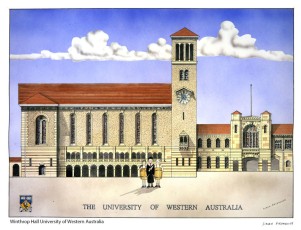
Winthrop Hall, an iconic building at the University of Western Australia, stands as a testament to the rich history and academic excellence of this prestigious institution. This grand sandstone edifice, with its imposing clock tower and neo-Gothic architecture, has been a symbol of knowledge and enlightenment since its establishment.
Constructed in the early 20th century, Winthrop Hall was named in honor of Sir John Winthrop Hackett, a prominent figure in the university's history. The building's design, attributed to Sir John Smith Murdoch, reflects the prevailing architectural style of its time and pays homage to the great academic institutions of Europe. Its stunning features include intricate stained glass windows, a magnificent organ, and a vast, vaulted interior that accommodates an array of university functions and events.
One of the most notable aspects of Winthrop Hall is its vital role in the University of Western Australia's graduation ceremonies. The grandeur of the building befits the significance of these events, where students and their families gather to celebrate academic achievements. The combination of the hall's aesthetics and the sense of accomplishment during graduation ceremonies makes the experience truly unforgettable.
Winthrop Hall is not merely a backdrop for special occasions but also a hub of academic pursuits. Within its hallowed halls, numerous lectures, seminars, and cultural events take place. The hall serves as a stage for intellectual exchange and artistic expression. Its grand interior, complete with the celebrated organ, offers a captivating backdrop for musical performances and cultural events, further enriching the academic and cultural tapestry of the university.
The edifice is not just a beautiful building; it also houses a library, lecture theaters, and other facilities that support the academic mission of the University of Western Australia. Its rich history and architectural significance contribute to a sense of continuity and tradition, emphasizing the institution's commitment to academic excellence.
Winthrop Hall is not isolated but rather integral to the campus's identity. It stands at the heart of the university, surrounded by lush greenery and other important academic buildings. Its proximity to the Great Court, where students gather for various activities and social interaction, makes it a focal point of campus life.
In conclusion, Winthrop Hall at the University of Western Australia is not just a building; it is a symbol of the institution's rich heritage, commitment to academic excellence, and a gathering place for the academic community. It has witnessed countless students embark on their academic journeys and celebrated their accomplishments. The hall is a fusion of history, architecture, and culture, making it an indispensable part of the university's identity. Winthrop Hall embodies the essence of academic tradition and serves as an enduring testament to the pursuit of knowledge and enlightenment at one of Australia's premier institutions of higher learning.
Winthrop Hall's architecture is a stunning example of neo-Gothic design that was popular during the late 19th and early 20th centuries. This architectural style, which draws inspiration from the grand cathedrals and academic buildings of medieval Europe, is characterized by several key features that make Winthrop Hall a masterpiece of its time.
- Sandstone Elegance: The building is primarily constructed from locally sourced Donnybrook sandstone, which gives it a warm and majestic appearance. This choice of material not only lends a timeless quality to the structure but also connects it to the natural beauty of Western Australia.
- Imposing Clock Tower: The clock tower at Winthrop Hall is one of its most distinctive features. Rising above the building, the tower showcases intricate stone carvings, including decorative tracery, gargoyles, and delicate detailing. The clock itself is not only a functional timekeeping device but also a symbol of the university's constant pursuit of knowledge.
- Stained Glass Windows: The interior of Winthrop Hall is adorned with a series of beautifully crafted stained glass windows. These windows depict various academic and historical themes, adding an artistic and intellectual dimension to the building's atmosphere. They bathe the interior in a colorful, ethereal light that is both awe-inspiring and uplifting.
- Vaulted Ceilings: The hall's interior features a breathtaking vaulted ceiling that stretches high above the main gathering area. These soaring arches create a sense of grandeur and provide an acoustically rich space that is well-suited for lectures, performances, and ceremonies. The ceiling is not only a structural marvel but also a work of art in itself.
- Organ and Balconies: The hall houses a grand pipe organ, which not only serves as a musical instrument but also adds to the building's aesthetic appeal. Balconies on the upper levels provide additional seating and offer a unique perspective on the events taking place below.
- Symmetry and Proportion: Neo-Gothic architecture emphasizes symmetry and proportion, and Winthrop Hall is no exception. The careful arrangement of elements, including windows, columns, and arches, creates a harmonious and visually pleasing façade. This adherence to architectural principles contributes to the building's timeless appeal.
- Integration with Surroundings: Winthrop Hall's architecture is not just an isolated structure; it blends seamlessly with its natural surroundings and other campus buildings. The layout of the university's grounds, including the Great Court, complements the building's design and allows for a cohesive campus environment.
In sum, Winthrop Hall's architecture is a masterpiece of neo-Gothic design that seamlessly combines aesthetic beauty, functionality, and historical significance. Its meticulous attention to detail, use of quality materials, and incorporation of symbolic elements make it an enduring icon of the University of Western Australia and an architectural gem that continues to inspire and captivate all who encounter it.
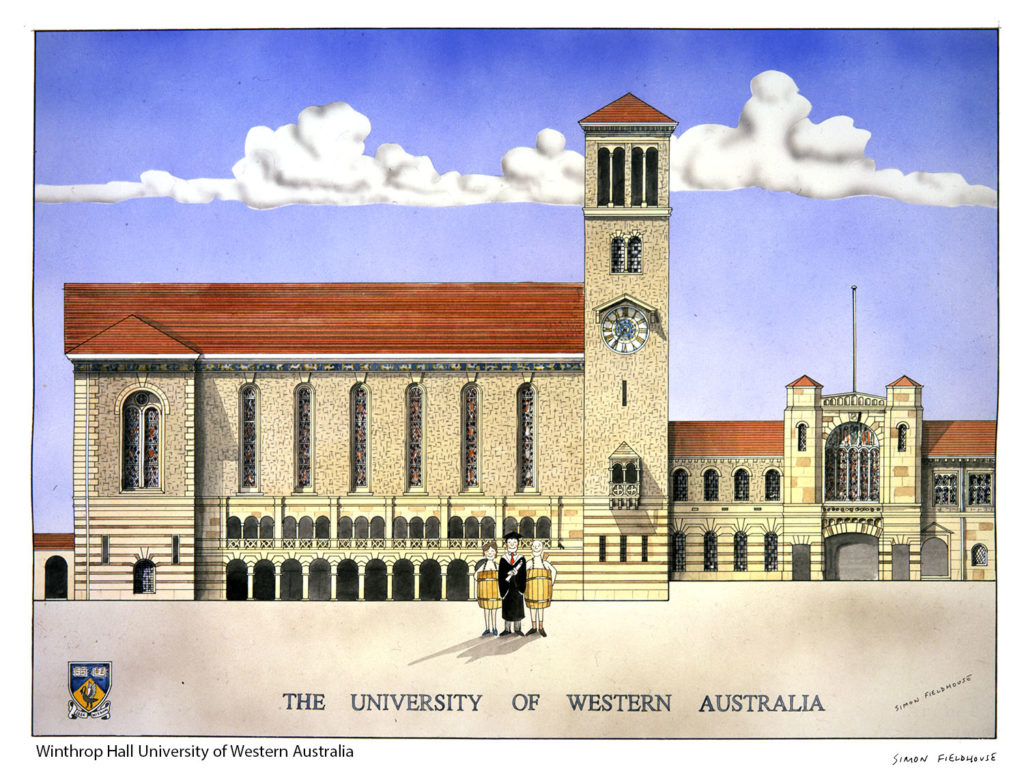
Winthrop Hall University of Western Australia
Winthrop Hall, an iconic building at the University of Western Australia, stands as a testament to the rich history and academic excellence of this prestigious institution. This grand sandstone edifice, with its imposing clock tower and neo-Gothic architecture, has been a symbol of knowledge and enlightenment since its establishment.
Constructed in the early 20th century, Winthrop Hall was named in honor of Sir John Winthrop Hackett, a prominent figure in the university's history. The building's design, attributed to Sir John Smith Murdoch, reflects the prevailing architectural style of its time and pays homage to the great academic institutions of Europe. Its stunning features include intricate stained glass windows, a magnificent organ, and a vast, vaulted interior that accommodates an array of university functions and events.
One of the most notable aspects of Winthrop Hall is its vital role in the University of Western Australia's graduation ceremonies. The grandeur of the building befits the significance of these events, where students and their families gather to celebrate academic achievements. The combination of the hall's aesthetics and the sense of accomplishment during graduation ceremonies makes the experience truly unforgettable.
Winthrop Hall is not merely a backdrop for special occasions but also a hub of academic pursuits. Within its hallowed halls, numerous lectures, seminars, and cultural events take place. The hall serves as a stage for intellectual exchange and artistic expression. Its grand interior, complete with the celebrated organ, offers a captivating backdrop for musical performances and cultural events, further enriching the academic and cultural tapestry of the university.
The edifice is not just a beautiful building; it also houses a library, lecture theaters, and other facilities that support the academic mission of the University of Western Australia. Its rich history and architectural significance contribute to a sense of continuity and tradition, emphasizing the institution's commitment to academic excellence.
Winthrop Hall is not isolated but rather integral to the campus's identity. It stands at the heart of the university, surrounded by lush greenery and other important academic buildings. Its proximity to the Great Court, where students gather for various activities and social interaction, makes it a focal point of campus life.
In conclusion, Winthrop Hall at the University of Western Australia is not just a building; it is a symbol of the institution's rich heritage, commitment to academic excellence, and a gathering place for the academic community. It has witnessed countless students embark on their academic journeys and celebrated their accomplishments. The hall is a fusion of history, architecture, and culture, making it an indispensable part of the university's identity. Winthrop Hall embodies the essence of academic tradition and serves as an enduring testament to the pursuit of knowledge and enlightenment at one of Australia's premier institutions of higher learning.
Winthrop Hall's architecture is a stunning example of neo-Gothic design that was popular during the late 19th and early 20th centuries. This architectural style, which draws inspiration from the grand cathedrals and academic buildings of medieval Europe, is characterized by several key features that make Winthrop Hall a masterpiece of its time.
- Sandstone Elegance: The building is primarily constructed from locally sourced Donnybrook sandstone, which gives it a warm and majestic appearance. This choice of material not only lends a timeless quality to the structure but also connects it to the natural beauty of Western Australia.
- Imposing Clock Tower: The clock tower at Winthrop Hall is one of its most distinctive features. Rising above the building, the tower showcases intricate stone carvings, including decorative tracery, gargoyles, and delicate detailing. The clock itself is not only a functional timekeeping device but also a symbol of the university's constant pursuit of knowledge.
- Stained Glass Windows: The interior of Winthrop Hall is adorned with a series of beautifully crafted stained glass windows. These windows depict various academic and historical themes, adding an artistic and intellectual dimension to the building's atmosphere. They bathe the interior in a colorful, ethereal light that is both awe-inspiring and uplifting.
- Vaulted Ceilings: The hall's interior features a breathtaking vaulted ceiling that stretches high above the main gathering area. These soaring arches create a sense of grandeur and provide an acoustically rich space that is well-suited for lectures, performances, and ceremonies. The ceiling is not only a structural marvel but also a work of art in itself.
- Organ and Balconies: The hall houses a grand pipe organ, which not only serves as a musical instrument but also adds to the building's aesthetic appeal. Balconies on the upper levels provide additional seating and offer a unique perspective on the events taking place below.
- Symmetry and Proportion: Neo-Gothic architecture emphasizes symmetry and proportion, and Winthrop Hall is no exception. The careful arrangement of elements, including windows, columns, and arches, creates a harmonious and visually pleasing façade. This adherence to architectural principles contributes to the building's timeless appeal.
- Integration with Surroundings: Winthrop Hall's architecture is not just an isolated structure; it blends seamlessly with its natural surroundings and other campus buildings. The layout of the university's grounds, including the Great Court, complements the building's design and allows for a cohesive campus environment.
In sum, Winthrop Hall's architecture is a masterpiece of neo-Gothic design that seamlessly combines aesthetic beauty, functionality, and historical significance. Its meticulous attention to detail, use of quality materials, and incorporation of symbolic elements make it an enduring icon of the University of Western Australia and an architectural gem that continues to inspire and captivate all who encounter it.