Title: The Evolution of Art: Digital Resin 3D Printed Sculptures
Art has always been a reflection of the times we live in, constantly evolving with technological advancements and societal shifts. In recent years, a groundbreaking artform has emerged - digital resin 3D printed sculptures. This innovative fusion of technology and art has opened up new avenues for creativity and self-expression, redefining the boundaries of what is possible in the world of sculpture.
The Birth of Digital Resin 3D Printed Sculptures
The advent of 3D printing technology has revolutionized various industries, and art is no exception. Digital resin 3D printing allows artists to craft intricate and complex sculptures that were once deemed impossible using traditional methods. The process involves creating a 3D model using digital design software and then translating this model into a physical object layer by layer, using a special resin that hardens when exposed to ultraviolet light. This method offers artists unprecedented precision and control, enabling them to bring their wildest ideas to life.
Unleashing Creativity
One of the most significant advantages of digital resin 3D printed sculptures is the freedom it affords artists. They can experiment with forms and structures that were previously unattainable. Traditional sculpting techniques often require significant time and skill, limiting an artist's ability to iterate and experiment. With 3D printing, artists can create, modify, and recreate their work without the constraints of physical limitations.
Intricate Details and Precision
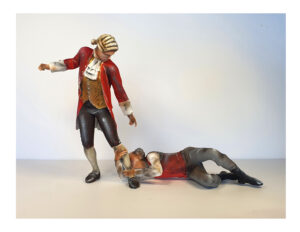
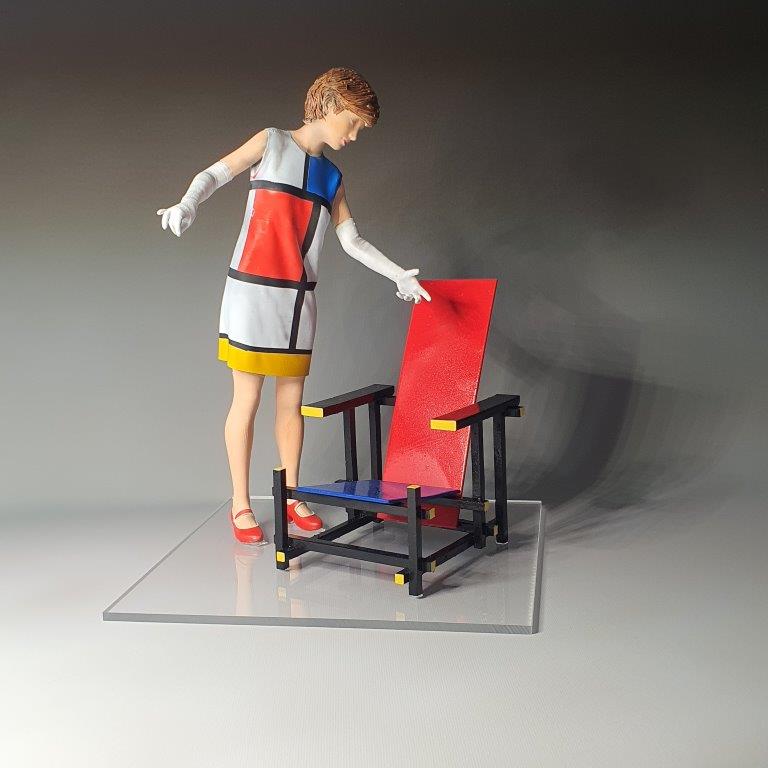
The level of detail achievable with digital resin 3D printing is staggering. Artists can intricately capture the nuances of their subject matter, from the fine lines of a human face to the delicate curves of a flower petal. This precision allows for the creation of hyper-realistic sculptures that mesmerize viewers with their lifelike qualities. Additionally, the technology's ability to reproduce textures and materials adds an extra layer of depth and complexity to the art form.
Accessibility and Reproducibility
Digital resin 3D printed sculptures democratize art in a way that was previously unattainable. Artists can now share their work with a global audience with just a digital file and a 3D printer. This opens the doors to collaboration and sharing among artists, and allows collectors to acquire sculptures in a more accessible and cost-effective manner. It also has the potential to address issues of art forgery and provenance, as each sculpture can be traced back to its digital source.
Challenges and Ethical Considerations
Despite the promise of digital resin 3D printed sculptures, challenges exist. Intellectual property concerns, including copyright and the potential for unauthorized replication, have become pressing issues. As this artform becomes more mainstream, regulations and guidelines need to evolve to protect both artists and collectors.
Conclusion
Digital resin 3D printed sculptures represent a cutting-edge evolution of traditional sculpting, pushing the boundaries of creativity, precision, and accessibility. As technology continues to advance, the potential for this artform is limitless, and its impact on the art world is undeniable. While there are ethical concerns to address, the potential for innovation and artistic expression is incredibly exciting. This emerging artform is a testament to the ever-changing nature of art and the unceasing human desire to explore new frontiers.
Digital Sculptures
Title: The Evolution of Art: Digital Resin 3D Printed Sculptures
Art has always been a reflection of the times we live in, constantly evolving with technological advancements and societal shifts. In recent years, a groundbreaking artform has emerged - digital resin 3D printed sculptures. This innovative fusion of technology and art has opened up new avenues for creativity and self-expression, redefining the boundaries of what is possible in the world of sculpture.
The Birth of Digital Resin 3D Printed Sculptures
The advent of 3D printing technology has revolutionized various industries, and art is no exception. Digital resin 3D printing allows artists to craft intricate and complex sculptures that were once deemed impossible using traditional methods. The process involves creating a 3D model using digital design software and then translating this model into a physical object layer by layer, using a special resin that hardens when exposed to ultraviolet light. This method offers artists unprecedented precision and control, enabling them to bring their wildest ideas to life.
Unleashing Creativity
One of the most significant advantages of digital resin 3D printed sculptures is the freedom it affords artists. They can experiment with forms and structures that were previously unattainable. Traditional sculpting techniques often require significant time and skill, limiting an artist's ability to iterate and experiment. With 3D printing, artists can create, modify, and recreate their work without the constraints of physical limitations.
Intricate Details and Precision
The level of detail achievable with digital resin 3D printing is staggering. Artists can intricately capture the nuances of their subject matter, from the fine lines of a human face to the delicate curves of a flower petal. This precision allows for the creation of hyper-realistic sculptures that mesmerize viewers with their lifelike qualities. Additionally, the technology's ability to reproduce textures and materials adds an extra layer of depth and complexity to the art form.
Accessibility and Reproducibility
Digital resin 3D printed sculptures democratize art in a way that was previously unattainable. Artists can now share their work with a global audience with just a digital file and a 3D printer. This opens the doors to collaboration and sharing among artists, and allows collectors to acquire sculptures in a more accessible and cost-effective manner. It also has the potential to address issues of art forgery and provenance, as each sculpture can be traced back to its digital source.
Challenges and Ethical Considerations
Despite the promise of digital resin 3D printed sculptures, challenges exist. Intellectual property concerns, including copyright and the potential for unauthorized replication, have become pressing issues. As this artform becomes more mainstream, regulations and guidelines need to evolve to protect both artists and collectors.
Conclusion
Digital resin 3D printed sculptures represent a cutting-edge evolution of traditional sculpting, pushing the boundaries of creativity, precision, and accessibility. As technology continues to advance, the potential for this artform is limitless, and its impact on the art world is undeniable. While there are ethical concerns to address, the potential for innovation and artistic expression is incredibly exciting. This emerging artform is a testament to the ever-changing nature of art and the unceasing human desire to explore new frontiers.