21-25 Currie Street is a notable address in the heart of Adelaide, South Australia. This vibrant and bustling street is home to a mix of commercial and residential properties, making it a quintessential representation of the city's dynamic urban landscape. This essay explores the historical significance, architectural charm, cultural relevance, and contemporary importance of 21-25 Currie Street.
Historically, Currie Street has deep roots in Adelaide's development. Named after Sir Donald Currie, a prominent Scottish shipping magnate, the street has witnessed significant urban growth and change over the years. It was a part of Colonel William Light's original city plan, which laid the foundation for the city's grid layout. As a result, it has been an integral part of Adelaide's urban history since its establishment in the 19th century.
The architecture of 21-25 Currie Street is a striking blend of old and new. The street showcases the evolution of architectural styles in Adelaide. On one side, you can find heritage-listed buildings, characterized by their colonial-era charm. These buildings often feature ornate facades, intricate ironwork, and grand entrances, reflecting the architectural sensibilities of their time.
On the other side of the street, modern glass-fronted high-rise buildings dominate the skyline. These structures are a testament to Adelaide's ongoing development and transformation into a contemporary city with a global outlook. The juxtaposition of old and new on Currie Street offers a visual narrative of the city's evolution.
Culturally, 21-25 Currie Street is a microcosm of Adelaide's diversity. The street is home to a variety of businesses, from restaurants serving international cuisine to boutique shops and art galleries. It has become a hub for both residents and tourists, offering a rich tapestry of experiences. The presence of the Adelaide Central Market nearby adds to the cultural significance of the area, making it a bustling center of gastronomic delights.
In a contemporary context, Currie Street remains a vibrant and integral part of Adelaide's cityscape. It has continued to adapt to the changing needs of the community, offering a mix of residential apartments and commercial spaces. Its central location and accessibility make it an attractive choice for businesses and residents seeking convenience and a taste of city living.
In conclusion, 21-25 Currie Street in Adelaide is not just an ordinary address; it is a reflection of the city's history, architectural diversity, cultural richness, and ongoing evolution. Its historical significance, architectural charm, cultural relevance, and contemporary importance all contribute to its status as a pivotal location in Adelaide. As the city continues to grow and change, Currie Street remains a vital thread in the fabric of Adelaide's urban landscape, connecting the past with the present and shaping the future.
- Colonial Heritage: Several buildings on Currie Street retain their colonial-era charm. These structures, constructed in the 19th and early 20th centuries, showcase exquisite architectural details such as wrought iron balconies, ornate facades, and bay windows. These features are typical of the Victorian and Edwardian architectural styles prevalent during that period. Many of these heritage-listed buildings have been carefully preserved, maintaining the historical character of the street.
- Art Deco Influence: The Art Deco architectural style also makes its presence felt on Currie Street. Some buildings incorporate geometric patterns, stylized motifs, and sleek lines that are characteristic of this early 20th-century style. The use of materials like terracotta, glass, and decorative stonework adds to the visual interest of the facades.
- Modern High-Rise Structures: On the opposite end of the architectural spectrum are the modern high-rise buildings that define the contemporary skyline of Currie Street. These sleek glass and steel structures represent a departure from the historical architecture but reflect the city's growth and adaptation to the demands of the 21st century. The architectural language of these buildings often emphasizes minimalism, clean lines, and energy-efficient features, aligning with contemporary design principles.
- Mixed-Use Spaces: The architecture of Currie Street has also adapted to the changing needs of the community. Many of the heritage buildings have been repurposed to accommodate a mix of commercial and residential spaces. Adaptive reuse projects have sought to preserve the historical integrity of these structures while making them functional in the modern context. This approach to architecture reflects a sensitivity to heritage conservation.
- Urban Planning and Accessibility: Beyond individual buildings, the architecture of Currie Street contributes to the overall urban planning of Adelaide's city center. The street's grid layout, wide sidewalks, and well-planned intersections enhance its accessibility. It fosters pedestrian-friendly spaces, creating opportunities for outdoor dining, public art installations, and community engagement.
- Sustainability: In keeping with contemporary architectural trends, sustainability is a growing concern in the design of new structures on Currie Street. Modern buildings often incorporate green building practices, energy-efficient systems, and eco-friendly materials. These elements reflect the broader global emphasis on environmental consciousness in architecture and urban development.
In summary, 21-25 Currie Street showcases a unique architectural narrative that spans across centuries and design movements. The coexistence of colonial-era heritage, Art Deco accents, and sleek modern high-rises creates a visually stimulating and diverse streetscape. It illustrates Adelaide's commitment to preserving its historical heritage while embracing the innovation and functionality required in a modern city. The architectural diversity of Currie Street is a testament to the city's rich history and its ability to evolve while retaining its unique character.
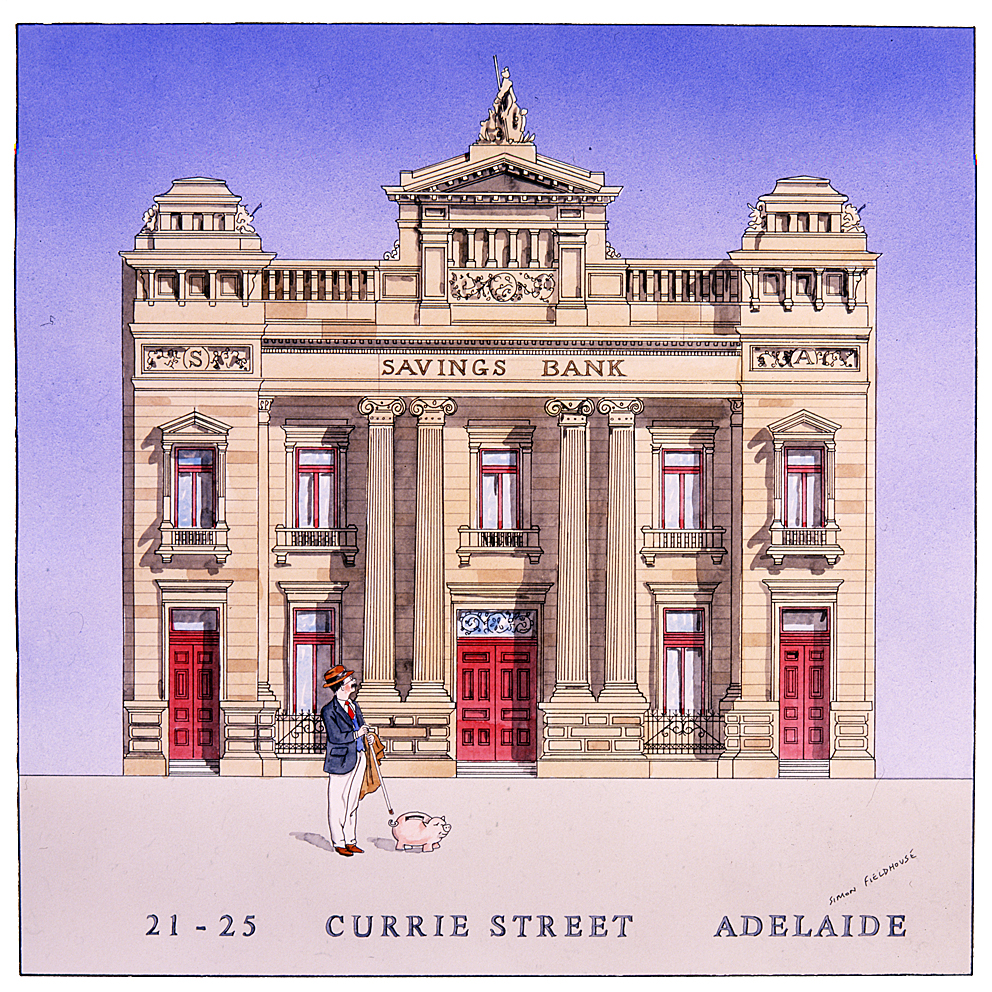
21-25 Currie Street - Adelaide
21-25 Currie Street is a notable address in the heart of Adelaide, South Australia. This vibrant and bustling street is home to a mix of commercial and residential properties, making it a quintessential representation of the city's dynamic urban landscape. This essay explores the historical significance, architectural charm, cultural relevance, and contemporary importance of 21-25 Currie Street.
Historically, Currie Street has deep roots in Adelaide's development. Named after Sir Donald Currie, a prominent Scottish shipping magnate, the street has witnessed significant urban growth and change over the years. It was a part of Colonel William Light's original city plan, which laid the foundation for the city's grid layout. As a result, it has been an integral part of Adelaide's urban history since its establishment in the 19th century.
The architecture of 21-25 Currie Street is a striking blend of old and new. The street showcases the evolution of architectural styles in Adelaide. On one side, you can find heritage-listed buildings, characterized by their colonial-era charm. These buildings often feature ornate facades, intricate ironwork, and grand entrances, reflecting the architectural sensibilities of their time.
On the other side of the street, modern glass-fronted high-rise buildings dominate the skyline. These structures are a testament to Adelaide's ongoing development and transformation into a contemporary city with a global outlook. The juxtaposition of old and new on Currie Street offers a visual narrative of the city's evolution.
Culturally, 21-25 Currie Street is a microcosm of Adelaide's diversity. The street is home to a variety of businesses, from restaurants serving international cuisine to boutique shops and art galleries. It has become a hub for both residents and tourists, offering a rich tapestry of experiences. The presence of the Adelaide Central Market nearby adds to the cultural significance of the area, making it a bustling center of gastronomic delights.
In a contemporary context, Currie Street remains a vibrant and integral part of Adelaide's cityscape. It has continued to adapt to the changing needs of the community, offering a mix of residential apartments and commercial spaces. Its central location and accessibility make it an attractive choice for businesses and residents seeking convenience and a taste of city living.
In conclusion, 21-25 Currie Street in Adelaide is not just an ordinary address; it is a reflection of the city's history, architectural diversity, cultural richness, and ongoing evolution. Its historical significance, architectural charm, cultural relevance, and contemporary importance all contribute to its status as a pivotal location in Adelaide. As the city continues to grow and change, Currie Street remains a vital thread in the fabric of Adelaide's urban landscape, connecting the past with the present and shaping the future.
- Colonial Heritage: Several buildings on Currie Street retain their colonial-era charm. These structures, constructed in the 19th and early 20th centuries, showcase exquisite architectural details such as wrought iron balconies, ornate facades, and bay windows. These features are typical of the Victorian and Edwardian architectural styles prevalent during that period. Many of these heritage-listed buildings have been carefully preserved, maintaining the historical character of the street.
- Art Deco Influence: The Art Deco architectural style also makes its presence felt on Currie Street. Some buildings incorporate geometric patterns, stylized motifs, and sleek lines that are characteristic of this early 20th-century style. The use of materials like terracotta, glass, and decorative stonework adds to the visual interest of the facades.
- Modern High-Rise Structures: On the opposite end of the architectural spectrum are the modern high-rise buildings that define the contemporary skyline of Currie Street. These sleek glass and steel structures represent a departure from the historical architecture but reflect the city's growth and adaptation to the demands of the 21st century. The architectural language of these buildings often emphasizes minimalism, clean lines, and energy-efficient features, aligning with contemporary design principles.
- Mixed-Use Spaces: The architecture of Currie Street has also adapted to the changing needs of the community. Many of the heritage buildings have been repurposed to accommodate a mix of commercial and residential spaces. Adaptive reuse projects have sought to preserve the historical integrity of these structures while making them functional in the modern context. This approach to architecture reflects a sensitivity to heritage conservation.
- Urban Planning and Accessibility: Beyond individual buildings, the architecture of Currie Street contributes to the overall urban planning of Adelaide's city center. The street's grid layout, wide sidewalks, and well-planned intersections enhance its accessibility. It fosters pedestrian-friendly spaces, creating opportunities for outdoor dining, public art installations, and community engagement.
- Sustainability: In keeping with contemporary architectural trends, sustainability is a growing concern in the design of new structures on Currie Street. Modern buildings often incorporate green building practices, energy-efficient systems, and eco-friendly materials. These elements reflect the broader global emphasis on environmental consciousness in architecture and urban development.
In summary, 21-25 Currie Street showcases a unique architectural narrative that spans across centuries and design movements. The coexistence of colonial-era heritage, Art Deco accents, and sleek modern high-rises creates a visually stimulating and diverse streetscape. It illustrates Adelaide's commitment to preserving its historical heritage while embracing the innovation and functionality required in a modern city. The architectural diversity of Currie Street is a testament to the city's rich history and its ability to evolve while retaining its unique character.