The Sir Samuel Way Building in Adelaide: A Monument to Legal Excellence. The Sir Samuel Way Building stands as an iconic structure in Adelaide, South Australia, and is more than just an architectural marvel; it represents a rich historical heritage and serves as a hub for legal excellence in the region. Named in honor of Sir Samuel Way, an eminent figure in South Australia's legal and political history, this building has played a significant role in fostering the state's legal community.
Situated on the picturesque Victoria Square, the Sir Samuel Way Building is an imposing structure designed by Thomas Price, an architect renowned for his contributions to Adelaide's architectural landscape. The building's neoclassical design exudes a timeless elegance and a sense of grandeur that resonates with the solemnity of the law. Completed in 1939, it has become a symbol of legal authority in South Australia.
One of the primary functions of the Sir Samuel Way Building is to house the Supreme Court of South Australia. This august institution administers justice and upholds the rule of law in the state. The building's grandeur, characterized by towering Corinthian columns and imposing pediments, lends an aura of solemnity to the court proceedings within. The ornate interiors, featuring wood paneling and intricate plasterwork, create an environment that conveys a sense of tradition and dignity, which is befitting for the judiciary.
Beyond its architectural significance, the Sir Samuel Way Building stands as a testament to the legacy of Sir Samuel Way himself. Way, who served as Chief Justice of South Australia from 1876 to 1916, left an indelible mark on the legal landscape of the state. His contributions to the development of law, his advocacy for legal education, and his unwavering commitment to justice have earned him a lasting place in South Australian history. The building named in his honor serves as a reminder of his dedication and contributions.
Today, the Sir Samuel Way Building continues to be a hub of legal activity. It houses the Sir Samuel Way Library, which is a vital resource for legal professionals, scholars, and students. The library's collection includes an extensive array of legal texts, historical documents, and reference materials, making it an essential repository of legal knowledge in South Australia.
The building also features various courtrooms, chambers for judges, and meeting spaces that facilitate legal proceedings, fostering a conducive environment for the administration of justice. In addition to its legal functions, the Sir Samuel Way Building frequently hosts legal conferences, seminars, and events, further cementing its role as a center of legal education and discourse in South Australia.
In conclusion, the Sir Samuel Way Building in Adelaide stands as a remarkable testament to the state's legal heritage and serves as a symbol of legal authority and excellence. Named after the esteemed Chief Justice, Sir Samuel Way, it houses the Supreme Court of South Australia, the Sir Samuel Way Library, and facilitates various legal activities. With its striking neoclassical architecture, historical significance, and role in promoting legal education and discourse, the Sir Samuel Way Building is a vital and revered institution in the legal community of South Australia. It embodies the values of justice, tradition, and knowledge that underpin the legal system in the state.
- Facade: The most prominent feature of the building is its imposing facade, characterized by a row of towering Corinthian columns. These columns support an entablature that includes a prominent frieze adorned with classical motifs and sculptures. The facade is symmetrical, emphasizing balance and classical proportion.
- Pediments: The building features pediments, triangular gable-like structures, above the central entrance and on the sides of the building. These pediments often contain ornate sculptures or bas-reliefs that depict classical or allegorical figures. The pediments add a sense of grandeur to the building's exterior.
- Materials: The building is constructed using high-quality materials such as sandstone and granite. The exterior is clad in sandstone, which gives the building a warm and timeless appearance. The use of durable materials reflects the permanence and significance of the legal institutions housed within.
- Windows: The windows of the Sir Samuel Way Building are often framed by classical pilasters and moldings, adding to the overall classical aesthetic. The fenestration is typically symmetrical, contributing to the sense of balance in the building's design.
- Roof: The building's roof is typically flat, as is common in neoclassical architecture. The flat roof adds to the building's clean and classical lines.
- Interior: While the exterior is grand, the interior of the Sir Samuel Way Building is equally impressive. It features wood paneling, intricate plasterwork, and ornate fixtures. The courtrooms are particularly grand, often with high ceilings, impressive chandeliers, and traditional courtroom furnishings.
- Classical Motifs: Classical motifs are prevalent throughout the building's design, including representations of Greek and Roman gods and goddesses, as well as allegorical figures that symbolize justice and the rule of law. These motifs are evident in the sculptures, bas-reliefs, and decorative elements.
- Historical References: The building's architectural elements draw on historical references to classical antiquity. This is in line with the neoclassical movement's desire to evoke a sense of timelessness and a connection to the democratic ideals of ancient Greece and the Roman Republic.
The combination of these architectural features creates a sense of gravity and authority, which is entirely appropriate for a building that houses the Supreme Court of South Australia. It conveys the message that justice is a solemn and enduring institution. The Sir Samuel Way Building's architecture reflects not only the design sensibilities of its era but also the enduring values of the legal system it represents.
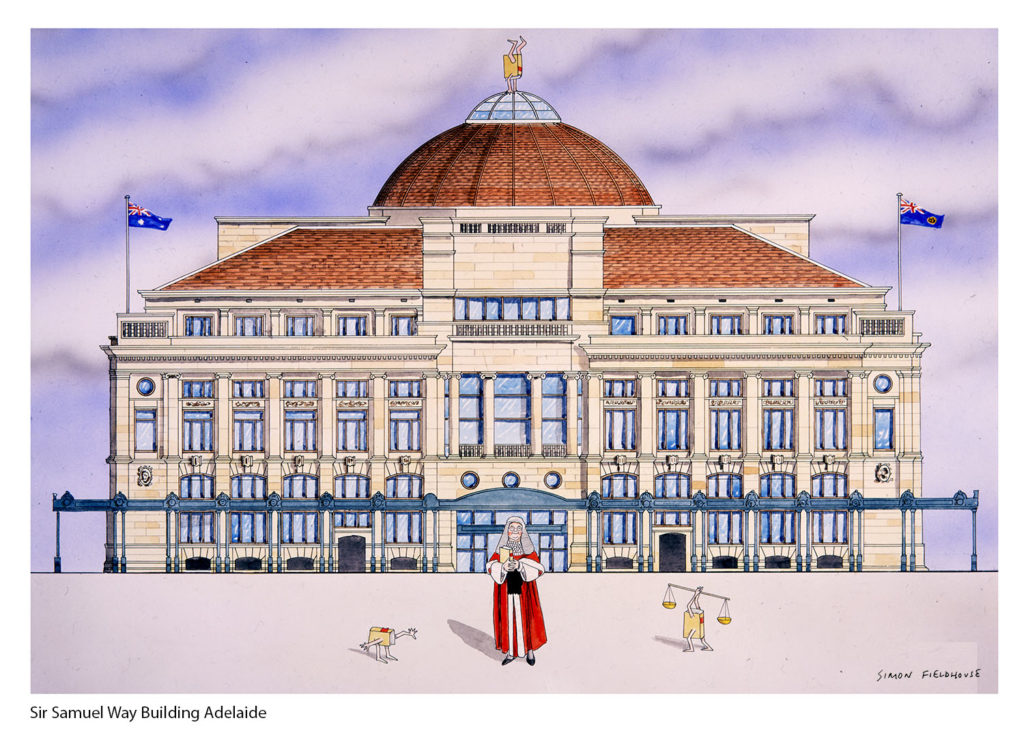
Sir Samuel Way Building Adelaide
The Sir Samuel Way Building in Adelaide: A Monument to Legal Excellence. The Sir Samuel Way Building stands as an iconic structure in Adelaide, South Australia, and is more than just an architectural marvel; it represents a rich historical heritage and serves as a hub for legal excellence in the region. Named in honor of Sir Samuel Way, an eminent figure in South Australia's legal and political history, this building has played a significant role in fostering the state's legal community.
Situated on the picturesque Victoria Square, the Sir Samuel Way Building is an imposing structure designed by Thomas Price, an architect renowned for his contributions to Adelaide's architectural landscape. The building's neoclassical design exudes a timeless elegance and a sense of grandeur that resonates with the solemnity of the law. Completed in 1939, it has become a symbol of legal authority in South Australia.
One of the primary functions of the Sir Samuel Way Building is to house the Supreme Court of South Australia. This august institution administers justice and upholds the rule of law in the state. The building's grandeur, characterized by towering Corinthian columns and imposing pediments, lends an aura of solemnity to the court proceedings within. The ornate interiors, featuring wood paneling and intricate plasterwork, create an environment that conveys a sense of tradition and dignity, which is befitting for the judiciary.
Beyond its architectural significance, the Sir Samuel Way Building stands as a testament to the legacy of Sir Samuel Way himself. Way, who served as Chief Justice of South Australia from 1876 to 1916, left an indelible mark on the legal landscape of the state. His contributions to the development of law, his advocacy for legal education, and his unwavering commitment to justice have earned him a lasting place in South Australian history. The building named in his honor serves as a reminder of his dedication and contributions.
Today, the Sir Samuel Way Building continues to be a hub of legal activity. It houses the Sir Samuel Way Library, which is a vital resource for legal professionals, scholars, and students. The library's collection includes an extensive array of legal texts, historical documents, and reference materials, making it an essential repository of legal knowledge in South Australia.
The building also features various courtrooms, chambers for judges, and meeting spaces that facilitate legal proceedings, fostering a conducive environment for the administration of justice. In addition to its legal functions, the Sir Samuel Way Building frequently hosts legal conferences, seminars, and events, further cementing its role as a center of legal education and discourse in South Australia.
In conclusion, the Sir Samuel Way Building in Adelaide stands as a remarkable testament to the state's legal heritage and serves as a symbol of legal authority and excellence. Named after the esteemed Chief Justice, Sir Samuel Way, it houses the Supreme Court of South Australia, the Sir Samuel Way Library, and facilitates various legal activities. With its striking neoclassical architecture, historical significance, and role in promoting legal education and discourse, the Sir Samuel Way Building is a vital and revered institution in the legal community of South Australia. It embodies the values of justice, tradition, and knowledge that underpin the legal system in the state.
- Facade: The most prominent feature of the building is its imposing facade, characterized by a row of towering Corinthian columns. These columns support an entablature that includes a prominent frieze adorned with classical motifs and sculptures. The facade is symmetrical, emphasizing balance and classical proportion.
- Pediments: The building features pediments, triangular gable-like structures, above the central entrance and on the sides of the building. These pediments often contain ornate sculptures or bas-reliefs that depict classical or allegorical figures. The pediments add a sense of grandeur to the building's exterior.
- Materials: The building is constructed using high-quality materials such as sandstone and granite. The exterior is clad in sandstone, which gives the building a warm and timeless appearance. The use of durable materials reflects the permanence and significance of the legal institutions housed within.
- Windows: The windows of the Sir Samuel Way Building are often framed by classical pilasters and moldings, adding to the overall classical aesthetic. The fenestration is typically symmetrical, contributing to the sense of balance in the building's design.
- Roof: The building's roof is typically flat, as is common in neoclassical architecture. The flat roof adds to the building's clean and classical lines.
- Interior: While the exterior is grand, the interior of the Sir Samuel Way Building is equally impressive. It features wood paneling, intricate plasterwork, and ornate fixtures. The courtrooms are particularly grand, often with high ceilings, impressive chandeliers, and traditional courtroom furnishings.
- Classical Motifs: Classical motifs are prevalent throughout the building's design, including representations of Greek and Roman gods and goddesses, as well as allegorical figures that symbolize justice and the rule of law. These motifs are evident in the sculptures, bas-reliefs, and decorative elements.
- Historical References: The building's architectural elements draw on historical references to classical antiquity. This is in line with the neoclassical movement's desire to evoke a sense of timelessness and a connection to the democratic ideals of ancient Greece and the Roman Republic.
The combination of these architectural features creates a sense of gravity and authority, which is entirely appropriate for a building that houses the Supreme Court of South Australia. It conveys the message that justice is a solemn and enduring institution. The Sir Samuel Way Building's architecture reflects not only the design sensibilities of its era but also the enduring values of the legal system it represents.