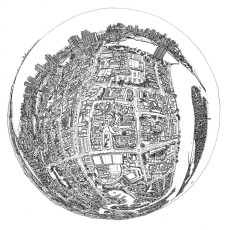

One of the most captivating features of Tweed Heads and Coolangatta is their natural beauty. The pristine beaches are the hallmark of the region, with Coolangatta Beach and Rainbow Bay Beach being two prominent examples. The golden sands meet the azure waters of the Pacific Ocean, creating a perfect backdrop for beach lovers and surf enthusiasts. Coolangatta, in particular, is renowned for its world-class surf breaks, drawing surfers from around the globe. The headlands and cliffs that frame these beaches provide breathtaking panoramic views, especially during sunrise and sunset, making it a photographer's paradise.
The towns also embrace a rich cultural diversity that is a result of their location near the border. The unique blend of New South Wales and Queensland cultures is evident in the local cuisine, events, and lifestyle. Visitors can savor a wide array of culinary delights, from fresh seafood to international cuisines, reflecting the region's cultural fusion. The Twin Towns Services Club, located near the border, is a popular entertainment venue where visitors can enjoy live music, gaming, and dining while experiencing the unique blend of both states' cultures.
For those seeking recreational activities, Tweed Heads and Coolangatta have a wealth of options. The nearby hinterland offers a plethora of opportunities for bushwalking, hiking, and wildlife encounters in lush national parks. The Tweed River, which flows between the two towns, is a haven for water sports like kayaking, fishing, and boating. Additionally, whale watching and dolphin encounters are popular attractions for nature enthusiasts.
The Gold Coast Airport, located in Coolangatta, makes Tweed Heads and Coolangatta easily accessible to travelers from all over the world. Its proximity to the Gold Coast and its world-renowned theme parks, such as Dreamworld, Movie World, and Sea World, adds to the appeal for families.
In conclusion, Tweed Heads and Coolangatta are idyllic coastal destinations that offer a harmonious blend of natural beauty, diverse culture, and recreational opportunities. Their close proximity to each other, along with their shared border, creates a unique atmosphere where the best of New South Wales and Queensland converge. Whether it's the stunning beaches, cultural diversity, or a wide range of activities, these twin towns have something to offer every type of traveler. With their enchanting landscapes and vibrant atmosphere, Tweed Heads and Coolangatta are destinations that leave a lasting impression on those who are fortunate enough to experience their charm.
- Indigenous Heritage: The Tweed Heads region was originally inhabited by the Bundjalung people, an Aboriginal group with a deep and enduring connection to the land. They had a rich culture and relied on hunting, fishing, and gathering in the bountiful coastal and hinterland areas. Many Aboriginal cultural sites and artifacts can still be found in the region, underscoring the enduring indigenous heritage of Tweed Heads.
- Early European Exploration: Captain James Cook, the British explorer, sailed past the Tweed Heads area in 1770 during his voyage along the east coast of Australia. However, it wasn't until the mid-19th century that European settlers began to arrive in the region.
- European Settlement: The Tweed Heads region was initially settled by timber cutters and farmers in the 1860s. Timber logging was a significant industry in the area due to the abundance of valuable timber, including cedar and hoop pine. The first European settlers faced many challenges, including the rugged terrain and a lack of infrastructure.
- Tweed River's Significance: The Tweed River played a crucial role in the early development of Tweed Heads. It served as a transportation route for timber and agricultural products. The river also provided sustenance and was a source of livelihood for the early settlers.
- Border Dispute: Tweed Heads is unique in that it straddles the border between New South Wales and Queensland. This geographical quirk led to a historical border dispute between the two states. The precise location of the border was contentious for many years, with disputes over customs duties and jurisdiction. The issue was finally resolved in 1866 when the border was officially surveyed and marked.
- Growth and Development: Tweed Heads experienced gradual growth and development throughout the 20th century. The construction of the Terranora Inlet, which helped control flooding in the area, and the development of transportation infrastructure, such as bridges and roads, significantly contributed to the town's progress. The growth of tourism and its proximity to the Gold Coast added to the town's appeal.
- Modern Era: Today, Tweed Heads is a thriving coastal town known for its beautiful beaches, vibrant culture, and outdoor recreational activities. It continues to attract tourists, retirees, and those seeking a relaxed coastal lifestyle.
Tweed Heads' history is a testament to the region's transformation from an indigenous land to a bustling coastal town. The area's unique position at the border of two Australian states and its natural beauty have shaped its identity and contributed to its enduring appeal as a destination for residents and visitors alike.

Tweed Heads and Coolangatta
One of the most captivating features of Tweed Heads and Coolangatta is their natural beauty. The pristine beaches are the hallmark of the region, with Coolangatta Beach and Rainbow Bay Beach being two prominent examples. The golden sands meet the azure waters of the Pacific Ocean, creating a perfect backdrop for beach lovers and surf enthusiasts. Coolangatta, in particular, is renowned for its world-class surf breaks, drawing surfers from around the globe. The headlands and cliffs that frame these beaches provide breathtaking panoramic views, especially during sunrise and sunset, making it a photographer's paradise.
The towns also embrace a rich cultural diversity that is a result of their location near the border. The unique blend of New South Wales and Queensland cultures is evident in the local cuisine, events, and lifestyle. Visitors can savor a wide array of culinary delights, from fresh seafood to international cuisines, reflecting the region's cultural fusion. The Twin Towns Services Club, located near the border, is a popular entertainment venue where visitors can enjoy live music, gaming, and dining while experiencing the unique blend of both states' cultures.
For those seeking recreational activities, Tweed Heads and Coolangatta have a wealth of options. The nearby hinterland offers a plethora of opportunities for bushwalking, hiking, and wildlife encounters in lush national parks. The Tweed River, which flows between the two towns, is a haven for water sports like kayaking, fishing, and boating. Additionally, whale watching and dolphin encounters are popular attractions for nature enthusiasts.
The Gold Coast Airport, located in Coolangatta, makes Tweed Heads and Coolangatta easily accessible to travelers from all over the world. Its proximity to the Gold Coast and its world-renowned theme parks, such as Dreamworld, Movie World, and Sea World, adds to the appeal for families.
In conclusion, Tweed Heads and Coolangatta are idyllic coastal destinations that offer a harmonious blend of natural beauty, diverse culture, and recreational opportunities. Their close proximity to each other, along with their shared border, creates a unique atmosphere where the best of New South Wales and Queensland converge. Whether it's the stunning beaches, cultural diversity, or a wide range of activities, these twin towns have something to offer every type of traveler. With their enchanting landscapes and vibrant atmosphere, Tweed Heads and Coolangatta are destinations that leave a lasting impression on those who are fortunate enough to experience their charm.
- Indigenous Heritage: The Tweed Heads region was originally inhabited by the Bundjalung people, an Aboriginal group with a deep and enduring connection to the land. They had a rich culture and relied on hunting, fishing, and gathering in the bountiful coastal and hinterland areas. Many Aboriginal cultural sites and artifacts can still be found in the region, underscoring the enduring indigenous heritage of Tweed Heads.
- Early European Exploration: Captain James Cook, the British explorer, sailed past the Tweed Heads area in 1770 during his voyage along the east coast of Australia. However, it wasn't until the mid-19th century that European settlers began to arrive in the region.
- European Settlement: The Tweed Heads region was initially settled by timber cutters and farmers in the 1860s. Timber logging was a significant industry in the area due to the abundance of valuable timber, including cedar and hoop pine. The first European settlers faced many challenges, including the rugged terrain and a lack of infrastructure.
- Tweed River's Significance: The Tweed River played a crucial role in the early development of Tweed Heads. It served as a transportation route for timber and agricultural products. The river also provided sustenance and was a source of livelihood for the early settlers.
- Border Dispute: Tweed Heads is unique in that it straddles the border between New South Wales and Queensland. This geographical quirk led to a historical border dispute between the two states. The precise location of the border was contentious for many years, with disputes over customs duties and jurisdiction. The issue was finally resolved in 1866 when the border was officially surveyed and marked.
- Growth and Development: Tweed Heads experienced gradual growth and development throughout the 20th century. The construction of the Terranora Inlet, which helped control flooding in the area, and the development of transportation infrastructure, such as bridges and roads, significantly contributed to the town's progress. The growth of tourism and its proximity to the Gold Coast added to the town's appeal.
- Modern Era: Today, Tweed Heads is a thriving coastal town known for its beautiful beaches, vibrant culture, and outdoor recreational activities. It continues to attract tourists, retirees, and those seeking a relaxed coastal lifestyle.
Tweed Heads' history is a testament to the region's transformation from an indigenous land to a bustling coastal town. The area's unique position at the border of two Australian states and its natural beauty have shaped its identity and contributed to its enduring appeal as a destination for residents and visitors alike.