
Title: Ballarat Railway Station: A Historical Landmark and a Modern Transportation Hub
Introduction:
Ballarat Railway Station, located in the charming city of Ballarat in Victoria, Australia, stands as a testament to the rich history and modern significance of railway transportation. Since its inception in the 19th century, this iconic station has played a pivotal role in connecting Ballarat to the rest of the state and has evolved into a vital transportation hub, facilitating the movement of people and goods. This essay explores the historical significance, architectural beauty, and contemporary relevance of Ballarat Railway Station.
Historical Significance:
Ballarat Railway Station was officially opened on April 11, 1862, marking a turning point in the history of the city. The arrival of the railway revolutionized transportation, fostering economic growth and development in the region. The station was instrumental in connecting Ballarat to Melbourne, enabling the efficient transport of gold, wheat, and other goods. It also played a crucial role in fostering cultural exchange, as it allowed people to travel to and from Ballarat with ease, promoting tourism and trade.
Architectural Beauty:
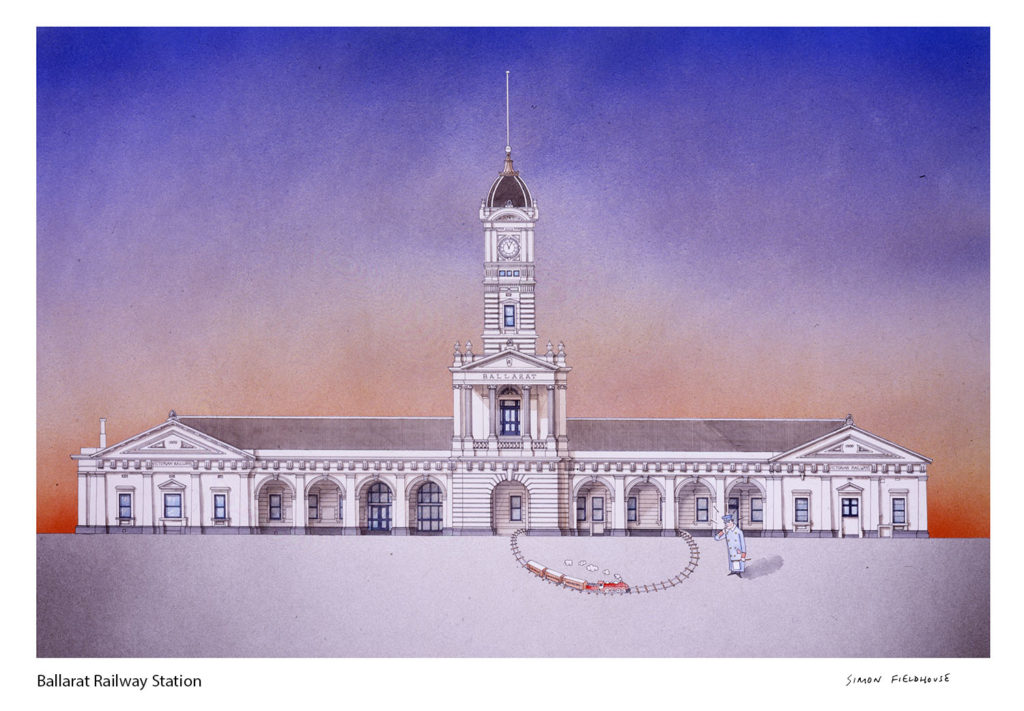
The station's architectural design is a splendid example of Victorian architecture, with its ornate iron lacework, impressive clock tower, and elegant facade. The station's architecture showcases the craftsmanship and attention to detail of the 19th century. The picturesque station building is surrounded by well-maintained gardens, creating a welcoming atmosphere for travelers and visitors. Its historical charm and aesthetic appeal make it a popular destination for tourists, history enthusiasts, and photographers.
Contemporary Relevance:
In the present day, Ballarat Railway Station continues to be a critical transportation hub. It forms part of the V/Line regional rail network, connecting Ballarat to Melbourne and other regional centers. The station offers commuters a convenient and efficient mode of transportation, reducing congestion on the roads and supporting environmental sustainability.
Furthermore, the station has adapted to modern needs by offering a range of services and amenities. Passengers can enjoy comfortable waiting areas, ticketing services, and a variety of food and beverage options. The station has also been equipped with facilities to accommodate passengers with special needs, ensuring inclusivity.
Conclusion:
Ballarat Railway Station is a historical landmark that embodies the rich heritage of Ballarat and Victoria. Its timeless architectural beauty and historical significance make it a cherished asset for the city. Beyond its historical charm, it stands as a modern transportation hub, continuing to connect Ballarat with the rest of the state and enhancing the quality of life for its residents. As we reflect on its storied past and contemporary importance, it is evident that Ballarat Railway Station is a true testament to the enduring legacy of railway transportation in Australia.
- Victorian Gothic Style: The station predominantly features elements of the Victorian Gothic architectural style, which was popular during the mid-to-late 19th century. This style is characterized by pointed arches, decorative stonework, and ornate details, all of which are present in the station's design. The pointed arches can be observed in the doorways and windows, lending the building an air of sophistication and grandeur.
- Cast Iron Lacework: One of the most distinctive features of Ballarat Railway Station is the intricate cast iron lacework that adorns the verandas and platforms. This delicate and ornate ironwork includes balustrades, friezes, and decorative columns. The iron lacework not only adds a touch of sophistication but also serves a functional purpose, providing shade and shelter to passengers.
- Clock Tower: The station boasts an impressive clock tower, which is a prominent feature of the building's facade. The clock tower is not only a functional timekeeping device but also a symbol of the station's significance in the community. It adds a vertical emphasis to the building's design and is often a point of interest for visitors.
- Ornate Details: The exterior of the station is adorned with various ornate details, such as intricate carvings and decorative motifs. These details reflect the meticulous craftsmanship of the era and contribute to the station's aesthetic appeal.
- Symmetrical Facade: The building's facade is symmetrical, with a central entrance flanked by identical wings on either side. This symmetry is a common feature of Victorian architecture and adds to the station's overall sense of balance and proportion.
- Gardens and Landscaping: The station is surrounded by well-maintained gardens and landscaping, enhancing its overall visual appeal. The greenery softens the architectural features and creates a welcoming environment for travelers and visitors.
Ballarat Railway Station's architecture is not only a testament to the design sensibilities of the 19th century but also a reflection of the significance of the railway in the development of Ballarat. The station's timeless charm, along with its historical and contemporary relevance, continues to make it a symbol of pride for the city and a beloved architectural landmark for residents and tourists alike. Whether you are an admirer of Victorian architecture or simply someone who appreciates the beauty of historical buildings, Ballarat Railway Station is a captivating example of architectural heritage.
Ballarat Railway Station
Title: Ballarat Railway Station: A Historical Landmark and a Modern Transportation Hub
Introduction:
Ballarat Railway Station, located in the charming city of Ballarat in Victoria, Australia, stands as a testament to the rich history and modern significance of railway transportation. Since its inception in the 19th century, this iconic station has played a pivotal role in connecting Ballarat to the rest of the state and has evolved into a vital transportation hub, facilitating the movement of people and goods. This essay explores the historical significance, architectural beauty, and contemporary relevance of Ballarat Railway Station.
Historical Significance:
Ballarat Railway Station was officially opened on April 11, 1862, marking a turning point in the history of the city. The arrival of the railway revolutionized transportation, fostering economic growth and development in the region. The station was instrumental in connecting Ballarat to Melbourne, enabling the efficient transport of gold, wheat, and other goods. It also played a crucial role in fostering cultural exchange, as it allowed people to travel to and from Ballarat with ease, promoting tourism and trade.
Architectural Beauty:
The station's architectural design is a splendid example of Victorian architecture, with its ornate iron lacework, impressive clock tower, and elegant facade. The station's architecture showcases the craftsmanship and attention to detail of the 19th century. The picturesque station building is surrounded by well-maintained gardens, creating a welcoming atmosphere for travelers and visitors. Its historical charm and aesthetic appeal make it a popular destination for tourists, history enthusiasts, and photographers.
Contemporary Relevance:
In the present day, Ballarat Railway Station continues to be a critical transportation hub. It forms part of the V/Line regional rail network, connecting Ballarat to Melbourne and other regional centers. The station offers commuters a convenient and efficient mode of transportation, reducing congestion on the roads and supporting environmental sustainability.
Furthermore, the station has adapted to modern needs by offering a range of services and amenities. Passengers can enjoy comfortable waiting areas, ticketing services, and a variety of food and beverage options. The station has also been equipped with facilities to accommodate passengers with special needs, ensuring inclusivity.
Conclusion:
Ballarat Railway Station is a historical landmark that embodies the rich heritage of Ballarat and Victoria. Its timeless architectural beauty and historical significance make it a cherished asset for the city. Beyond its historical charm, it stands as a modern transportation hub, continuing to connect Ballarat with the rest of the state and enhancing the quality of life for its residents. As we reflect on its storied past and contemporary importance, it is evident that Ballarat Railway Station is a true testament to the enduring legacy of railway transportation in Australia.
- Victorian Gothic Style: The station predominantly features elements of the Victorian Gothic architectural style, which was popular during the mid-to-late 19th century. This style is characterized by pointed arches, decorative stonework, and ornate details, all of which are present in the station's design. The pointed arches can be observed in the doorways and windows, lending the building an air of sophistication and grandeur.
- Cast Iron Lacework: One of the most distinctive features of Ballarat Railway Station is the intricate cast iron lacework that adorns the verandas and platforms. This delicate and ornate ironwork includes balustrades, friezes, and decorative columns. The iron lacework not only adds a touch of sophistication but also serves a functional purpose, providing shade and shelter to passengers.
- Clock Tower: The station boasts an impressive clock tower, which is a prominent feature of the building's facade. The clock tower is not only a functional timekeeping device but also a symbol of the station's significance in the community. It adds a vertical emphasis to the building's design and is often a point of interest for visitors.
- Ornate Details: The exterior of the station is adorned with various ornate details, such as intricate carvings and decorative motifs. These details reflect the meticulous craftsmanship of the era and contribute to the station's aesthetic appeal.
- Symmetrical Facade: The building's facade is symmetrical, with a central entrance flanked by identical wings on either side. This symmetry is a common feature of Victorian architecture and adds to the station's overall sense of balance and proportion.
- Gardens and Landscaping: The station is surrounded by well-maintained gardens and landscaping, enhancing its overall visual appeal. The greenery softens the architectural features and creates a welcoming environment for travelers and visitors.
Ballarat Railway Station's architecture is not only a testament to the design sensibilities of the 19th century but also a reflection of the significance of the railway in the development of Ballarat. The station's timeless charm, along with its historical and contemporary relevance, continues to make it a symbol of pride for the city and a beloved architectural landmark for residents and tourists alike. Whether you are an admirer of Victorian architecture or simply someone who appreciates the beauty of historical buildings, Ballarat Railway Station is a captivating example of architectural heritage.