Title: The Timeless Legacy of Melbourne's Suburban Town Hall Clocktowers
Introduction
Melbourne, the vibrant and culturally rich capital of Victoria, Australia, is a city teeming with history and architectural treasures. One of the most iconic features of Melbourne's suburban landscape is the historic clocktowers that adorn many town halls. These clocktowers not only serve as functional timekeepers but also stand as proud symbols of the heritage and civic pride of the city's diverse suburbs. In this essay, we will explore the significance and history of these clocktowers, examining how they have become an integral part of Melbourne's suburban identity.
Historical Significance
The clocktowers on Melbourne's suburban town halls are more than just time-telling mechanisms; they represent a connection to the past, reflecting the heritage and community values of each suburb. These architectural gems often date back to the late 19th and early 20th centuries, a period of rapid urbanization and civic development. At that time, these clocktowers were erected as a symbol of local governance and civic responsibility, reminding residents of the importance of punctuality and community engagement.
Architectural Grandeur
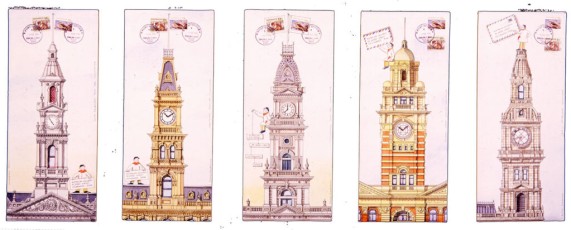
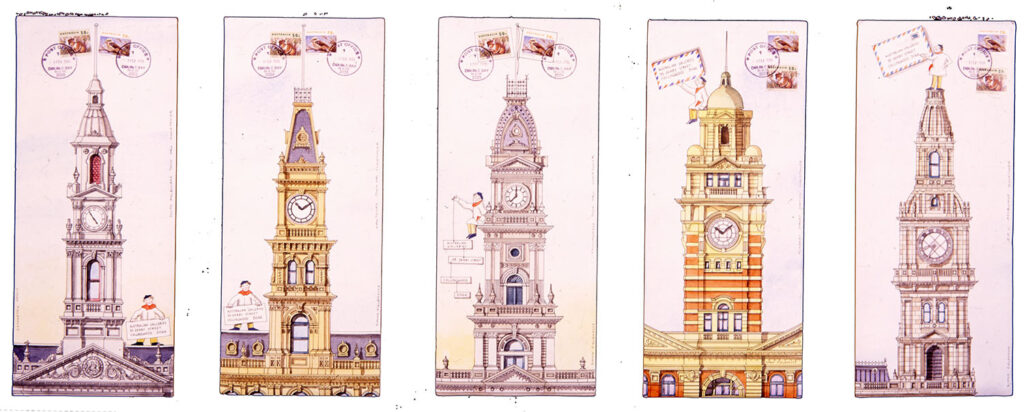
Each clocktower is a unique piece of architectural artistry. Whether adorned with intricate detailing, ornate carvings, or soaring spires, they add character to Melbourne's suburban town halls. The clocktowers were often designed by renowned architects of their time, who incorporated a variety of architectural styles, from Victorian Gothic to Federation and Art Deco. These structures showcase the skill and craftsmanship of their eras and provide a visual link to the past for modern generations.
Community Landmarks
The clocktowers on suburban town halls also serve as community landmarks. They are often situated in the heart of each suburb, and their presence is not limited to simply displaying the time. These structures have been the backdrop for countless local events, celebrations, and gatherings over the years. They mark the center of the community and have been a rallying point for residents, playing a pivotal role in the suburb's identity.
Preservation Efforts
As Melbourne continues to evolve, preservation efforts are being made to ensure the survival of these historic clocktowers. Many of these structures have undergone extensive restoration projects to maintain their architectural integrity while incorporating modern technology to keep the clocks accurate. The commitment to preserving these cultural and historical icons is a testament to Melbourne's dedication to its past and the importance of these clocktowers in its present and future.
Conclusion
The historic clocktowers on Melbourne's suburban town halls are more than just timekeeping devices; they are symbols of community, heritage, and architectural brilliance. These structures have stood the test of time, witnessing the transformation of Melbourne's suburbs and the growth of its diverse communities. Their significance extends beyond mere functionality, representing the shared history and values that bind Melburnians together. As these clocktowers continue to mark the passage of time, they serve as a reminder of Melbourne's past and a source of inspiration for its future. The people of Melbourne can take pride in the fact that these historic clocktowers remain as enduring symbols of their city's rich and diverse suburban heritage.
The architecture of the historic clocktowers on Melbourne's suburban town halls is a fascinating blend of various styles, each reflecting the design trends of its respective era. These clocktowers serve as prime examples of architectural diversity, showcasing the evolution of design in the city. Let's delve deeper into the architectural aspects of these iconic structures:
- Victorian Gothic Style: Many of Melbourne's early clocktowers, dating back to the mid to late 19th century, exhibit Victorian Gothic architecture. This style is characterized by pointed arches, intricate stonework, and ornate detailing. Gothic Revival elements, such as lancet windows, flying buttresses, and spires, are commonly seen in these clocktowers. The use of stone, often bluestone, adds to the grandeur of these structures.
- Federation Style: Towards the turn of the 20th century, during the Federation period, there was a shift towards incorporating Australian design elements into the architecture. Clocktowers from this era often feature elements of Federation architecture, which combines Art Nouveau and Arts and Crafts styles. These structures may have decorative tiles, wrought ironwork, and gabled roofs, reflecting a more uniquely Australian aesthetic.
- Art Deco Influence: In the 1920s and 1930s, the Art Deco style made its mark on some clocktowers. Art Deco is known for its streamlined, geometric designs and the use of materials like glass, steel, and concrete. Clocktowers with an Art Deco influence are characterized by sleek lines, stepped forms, and intricate geometric motifs. These clocktowers are often a striking contrast to the more ornate Gothic and Federation styles.
- Romanesque Revival: Some clocktowers adopted elements of the Romanesque Revival style. This style draws inspiration from Roman architecture, featuring thick, rounded arches, robust columns, and simple, sturdy forms. Clocktowers in this style are notable for their imposing presence and timeless design elements.
- Contemporary Adaptations: In modern times, many of these historic clocktowers have undergone restoration and renovation, incorporating contemporary materials and technologies while maintaining their original aesthetic. Restoration efforts often include repairing or replacing damaged stonework, updating clock mechanisms for accuracy, and ensuring that these iconic structures continue to serve their communities.
One example of a clocktower with remarkable architecture is the one in the Collingwood Town Hall. Built in 1885, it boasts a combination of Victorian Gothic and Romanesque Revival styles. The tower features intricate stonework, pointed arches, and decorative columns, all contributing to its architectural splendor. The clock faces are typically adorned with ornate surrounds, displaying both form and function.
These clocktowers stand as a testament to the skill and artistry of the architects and craftsmen who designed and constructed them. They not only serve as functional timekeepers but also as living architectural history, showcasing the evolution of design trends in Melbourne over the years. Their enduring beauty and historical significance continue to captivate residents and visitors alike, making them integral to Melbourne's suburban architectural heritage.
Melbourne's Suburban Town Hall Clocktowers
Title: The Timeless Legacy of Melbourne's Suburban Town Hall Clocktowers
Introduction
Melbourne, the vibrant and culturally rich capital of Victoria, Australia, is a city teeming with history and architectural treasures. One of the most iconic features of Melbourne's suburban landscape is the historic clocktowers that adorn many town halls. These clocktowers not only serve as functional timekeepers but also stand as proud symbols of the heritage and civic pride of the city's diverse suburbs. In this essay, we will explore the significance and history of these clocktowers, examining how they have become an integral part of Melbourne's suburban identity.
Historical Significance
The clocktowers on Melbourne's suburban town halls are more than just time-telling mechanisms; they represent a connection to the past, reflecting the heritage and community values of each suburb. These architectural gems often date back to the late 19th and early 20th centuries, a period of rapid urbanization and civic development. At that time, these clocktowers were erected as a symbol of local governance and civic responsibility, reminding residents of the importance of punctuality and community engagement.
Architectural Grandeur
Each clocktower is a unique piece of architectural artistry. Whether adorned with intricate detailing, ornate carvings, or soaring spires, they add character to Melbourne's suburban town halls. The clocktowers were often designed by renowned architects of their time, who incorporated a variety of architectural styles, from Victorian Gothic to Federation and Art Deco. These structures showcase the skill and craftsmanship of their eras and provide a visual link to the past for modern generations.
Community Landmarks
The clocktowers on suburban town halls also serve as community landmarks. They are often situated in the heart of each suburb, and their presence is not limited to simply displaying the time. These structures have been the backdrop for countless local events, celebrations, and gatherings over the years. They mark the center of the community and have been a rallying point for residents, playing a pivotal role in the suburb's identity.
Preservation Efforts
As Melbourne continues to evolve, preservation efforts are being made to ensure the survival of these historic clocktowers. Many of these structures have undergone extensive restoration projects to maintain their architectural integrity while incorporating modern technology to keep the clocks accurate. The commitment to preserving these cultural and historical icons is a testament to Melbourne's dedication to its past and the importance of these clocktowers in its present and future.
Conclusion
The historic clocktowers on Melbourne's suburban town halls are more than just timekeeping devices; they are symbols of community, heritage, and architectural brilliance. These structures have stood the test of time, witnessing the transformation of Melbourne's suburbs and the growth of its diverse communities. Their significance extends beyond mere functionality, representing the shared history and values that bind Melburnians together. As these clocktowers continue to mark the passage of time, they serve as a reminder of Melbourne's past and a source of inspiration for its future. The people of Melbourne can take pride in the fact that these historic clocktowers remain as enduring symbols of their city's rich and diverse suburban heritage.
The architecture of the historic clocktowers on Melbourne's suburban town halls is a fascinating blend of various styles, each reflecting the design trends of its respective era. These clocktowers serve as prime examples of architectural diversity, showcasing the evolution of design in the city. Let's delve deeper into the architectural aspects of these iconic structures:
- Victorian Gothic Style: Many of Melbourne's early clocktowers, dating back to the mid to late 19th century, exhibit Victorian Gothic architecture. This style is characterized by pointed arches, intricate stonework, and ornate detailing. Gothic Revival elements, such as lancet windows, flying buttresses, and spires, are commonly seen in these clocktowers. The use of stone, often bluestone, adds to the grandeur of these structures.
- Federation Style: Towards the turn of the 20th century, during the Federation period, there was a shift towards incorporating Australian design elements into the architecture. Clocktowers from this era often feature elements of Federation architecture, which combines Art Nouveau and Arts and Crafts styles. These structures may have decorative tiles, wrought ironwork, and gabled roofs, reflecting a more uniquely Australian aesthetic.
- Art Deco Influence: In the 1920s and 1930s, the Art Deco style made its mark on some clocktowers. Art Deco is known for its streamlined, geometric designs and the use of materials like glass, steel, and concrete. Clocktowers with an Art Deco influence are characterized by sleek lines, stepped forms, and intricate geometric motifs. These clocktowers are often a striking contrast to the more ornate Gothic and Federation styles.
- Romanesque Revival: Some clocktowers adopted elements of the Romanesque Revival style. This style draws inspiration from Roman architecture, featuring thick, rounded arches, robust columns, and simple, sturdy forms. Clocktowers in this style are notable for their imposing presence and timeless design elements.
- Contemporary Adaptations: In modern times, many of these historic clocktowers have undergone restoration and renovation, incorporating contemporary materials and technologies while maintaining their original aesthetic. Restoration efforts often include repairing or replacing damaged stonework, updating clock mechanisms for accuracy, and ensuring that these iconic structures continue to serve their communities.
One example of a clocktower with remarkable architecture is the one in the Collingwood Town Hall. Built in 1885, it boasts a combination of Victorian Gothic and Romanesque Revival styles. The tower features intricate stonework, pointed arches, and decorative columns, all contributing to its architectural splendor. The clock faces are typically adorned with ornate surrounds, displaying both form and function.
These clocktowers stand as a testament to the skill and artistry of the architects and craftsmen who designed and constructed them. They not only serve as functional timekeepers but also as living architectural history, showcasing the evolution of design trends in Melbourne over the years. Their enduring beauty and historical significance continue to captivate residents and visitors alike, making them integral to Melbourne's suburban architectural heritage.