Parliament House in Melbourne, the capital of Victoria, Australia, is a symbol of democracy, governance, and the rich history of this vibrant city. Nestled in the heart of the city, this iconic structure stands as a testament to the values and principles of democracy that have been integral to the development of the Australian nation.
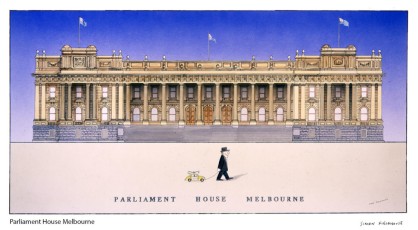
Designed by renowned architect Peter Kerr, Parliament House Melbourne is an architectural marvel. Its construction began in 1856 and was completed in 1927, showcasing a blend of neoclassical and Renaissance architectural styles. The grand façade, complete with columns and intricate detailing, exudes an aura of authority and reverence. The building's pristine symmetry and elegant design reflect the importance of the democratic processes that take place within its walls.
The grandeur of Parliament House is not limited to its exterior. The interior is equally impressive, featuring striking chambers for both the Legislative Assembly and the Legislative Council. The vibrant colors and exquisite detailing within these chambers create a sense of grandeur and sophistication. Visitors often marvel at the majestic features, such as the ornate ceilings and stained glass windows, which add to the building's historic charm.
Parliament House Melbourne is more than just an architectural masterpiece; it is a central hub for the state's democratic processes. It houses the Parliament of Victoria, where elected representatives convene to discuss and make decisions on crucial matters that affect the lives of Victorians. The functioning of the government, the passage of laws, and debates on key policy issues all take place within these hallowed halls.
The significance of this building extends beyond its role as a legislative institution. It also stands as a symbol of the enduring democratic spirit of Australia. The nation has a long and proud history of democratic values, and Parliament House Melbourne is a tangible embodiment of these principles. It represents the ideals of free speech, representation, and the rule of law that underpin the Australian political system.
Visitors to Parliament House Melbourne can take guided tours that offer insights into the building's history and the democratic processes that occur within its walls. These tours provide an opportunity to explore the chambers, view historic artifacts, and gain a deeper understanding of Victoria's political heritage. The experience is not only educational but also inspiring, as it highlights the importance of civic engagement and the role that ordinary citizens play in shaping the nation's future.
In conclusion, Parliament House Melbourne is a true beacon of democracy. Its magnificent architecture, historical significance, and ongoing role as a hub of political activity make it a symbol of democratic values and principles. Beyond its physical beauty, this grand structure reminds us of the importance of civic engagement, the rule of law, and the enduring commitment to democracy that lies at the heart of the Australian nation. It is a place where history and contemporary governance intersect, creating a living testament to the ideals that underpin Australia's democratic society.
- Neoclassical Design: The neoclassical architectural style, often associated with the ideals of democracy and the ancient world, is prevalent in Parliament House. The exterior showcases a symmetrical facade with rows of impressive columns, reflecting the influence of Greek and Roman architecture. The use of classical motifs, such as pilasters and friezes, imparts a sense of timeless dignity to the building.
- Grand Facade: The building's exterior facade is particularly striking. It features a majestic colonnade with massive Doric columns that support the triangular pediment. The use of sandstone in its construction gives the building an enduring and noble appearance. The colonnade evokes a sense of strength and authority, fitting for a place where important political decisions are made.
- Stained Glass Windows: The interior of Parliament House is adorned with stunning stained glass windows. These windows are not only aesthetically pleasing but also have symbolic importance. They often depict historical scenes, figures, and motifs, representing the historical and cultural heritage of Victoria.
- Ornate Ceilings: Elaborate and decorative ceilings can be found throughout Parliament House. These ceilings are adorned with intricate plasterwork, ornate chandeliers, and other architectural details that enhance the building's sense of grandeur. The Great Hall, in particular, boasts a high vaulted ceiling with beautiful decorative features.
- Chambers: The Legislative Assembly and Legislative Council chambers are the heart of the democratic process within Parliament House. Both chambers are designed with meticulous attention to detail. The red and green color schemes in the chambers, symbolic of the British parliamentary tradition, create a distinct and regal atmosphere.
- Historical Artifacts: The building also houses numerous historical artifacts and artworks that add to its architectural and historical significance. Visitors can view portraits of past political figures, antique furniture, and other relics that contribute to the building's rich historical context.
- Courtyards and Gardens: Beyond the chambers, Parliament House features beautiful courtyards and gardens that provide a tranquil escape in the midst of a bustling city. These outdoor spaces, often overlooked but no less significant, add to the overall architectural beauty of the building.
- Continuous Restoration and Preservation: Over the years, Parliament House has undergone several restoration projects to ensure that its architectural integrity is preserved. These efforts have included the repair and maintenance of the exterior stonework, the refurbishment of the chambers, and the restoration of historic features.
In summary, Parliament House Melbourne's architecture is a splendid amalgamation of neoclassical and Renaissance styles that exudes a sense of power, grandeur, and democratic principles. Its design, both inside and out, pays homage to classical architectural traditions while serving as a symbol of democratic ideals for the citizens of Victoria and all who visit this iconic building. The continuous care and restoration efforts demonstrate a commitment to preserving its architectural heritage for generations to come.
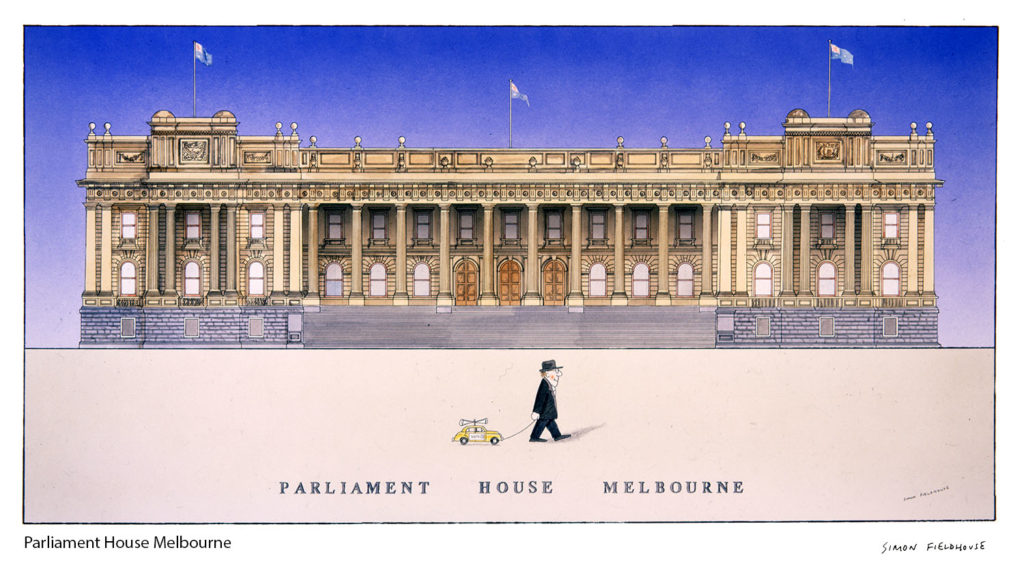
Parliament House Melbourne
Parliament House in Melbourne, the capital of Victoria, Australia, is a symbol of democracy, governance, and the rich history of this vibrant city. Nestled in the heart of the city, this iconic structure stands as a testament to the values and principles of democracy that have been integral to the development of the Australian nation.
Designed by renowned architect Peter Kerr, Parliament House Melbourne is an architectural marvel. Its construction began in 1856 and was completed in 1927, showcasing a blend of neoclassical and Renaissance architectural styles. The grand façade, complete with columns and intricate detailing, exudes an aura of authority and reverence. The building's pristine symmetry and elegant design reflect the importance of the democratic processes that take place within its walls.
The grandeur of Parliament House is not limited to its exterior. The interior is equally impressive, featuring striking chambers for both the Legislative Assembly and the Legislative Council. The vibrant colors and exquisite detailing within these chambers create a sense of grandeur and sophistication. Visitors often marvel at the majestic features, such as the ornate ceilings and stained glass windows, which add to the building's historic charm.
Parliament House Melbourne is more than just an architectural masterpiece; it is a central hub for the state's democratic processes. It houses the Parliament of Victoria, where elected representatives convene to discuss and make decisions on crucial matters that affect the lives of Victorians. The functioning of the government, the passage of laws, and debates on key policy issues all take place within these hallowed halls.
The significance of this building extends beyond its role as a legislative institution. It also stands as a symbol of the enduring democratic spirit of Australia. The nation has a long and proud history of democratic values, and Parliament House Melbourne is a tangible embodiment of these principles. It represents the ideals of free speech, representation, and the rule of law that underpin the Australian political system.
Visitors to Parliament House Melbourne can take guided tours that offer insights into the building's history and the democratic processes that occur within its walls. These tours provide an opportunity to explore the chambers, view historic artifacts, and gain a deeper understanding of Victoria's political heritage. The experience is not only educational but also inspiring, as it highlights the importance of civic engagement and the role that ordinary citizens play in shaping the nation's future.
In conclusion, Parliament House Melbourne is a true beacon of democracy. Its magnificent architecture, historical significance, and ongoing role as a hub of political activity make it a symbol of democratic values and principles. Beyond its physical beauty, this grand structure reminds us of the importance of civic engagement, the rule of law, and the enduring commitment to democracy that lies at the heart of the Australian nation. It is a place where history and contemporary governance intersect, creating a living testament to the ideals that underpin Australia's democratic society.
- Neoclassical Design: The neoclassical architectural style, often associated with the ideals of democracy and the ancient world, is prevalent in Parliament House. The exterior showcases a symmetrical facade with rows of impressive columns, reflecting the influence of Greek and Roman architecture. The use of classical motifs, such as pilasters and friezes, imparts a sense of timeless dignity to the building.
- Grand Facade: The building's exterior facade is particularly striking. It features a majestic colonnade with massive Doric columns that support the triangular pediment. The use of sandstone in its construction gives the building an enduring and noble appearance. The colonnade evokes a sense of strength and authority, fitting for a place where important political decisions are made.
- Stained Glass Windows: The interior of Parliament House is adorned with stunning stained glass windows. These windows are not only aesthetically pleasing but also have symbolic importance. They often depict historical scenes, figures, and motifs, representing the historical and cultural heritage of Victoria.
- Ornate Ceilings: Elaborate and decorative ceilings can be found throughout Parliament House. These ceilings are adorned with intricate plasterwork, ornate chandeliers, and other architectural details that enhance the building's sense of grandeur. The Great Hall, in particular, boasts a high vaulted ceiling with beautiful decorative features.
- Chambers: The Legislative Assembly and Legislative Council chambers are the heart of the democratic process within Parliament House. Both chambers are designed with meticulous attention to detail. The red and green color schemes in the chambers, symbolic of the British parliamentary tradition, create a distinct and regal atmosphere.
- Historical Artifacts: The building also houses numerous historical artifacts and artworks that add to its architectural and historical significance. Visitors can view portraits of past political figures, antique furniture, and other relics that contribute to the building's rich historical context.
- Courtyards and Gardens: Beyond the chambers, Parliament House features beautiful courtyards and gardens that provide a tranquil escape in the midst of a bustling city. These outdoor spaces, often overlooked but no less significant, add to the overall architectural beauty of the building.
- Continuous Restoration and Preservation: Over the years, Parliament House has undergone several restoration projects to ensure that its architectural integrity is preserved. These efforts have included the repair and maintenance of the exterior stonework, the refurbishment of the chambers, and the restoration of historic features.
In summary, Parliament House Melbourne's architecture is a splendid amalgamation of neoclassical and Renaissance styles that exudes a sense of power, grandeur, and democratic principles. Its design, both inside and out, pays homage to classical architectural traditions while serving as a symbol of democratic ideals for the citizens of Victoria and all who visit this iconic building. The continuous care and restoration efforts demonstrate a commitment to preserving its architectural heritage for generations to come.