Title: The Royal Exhibition Building in Melbourne: A Marvel of Architecture and History
Introduction
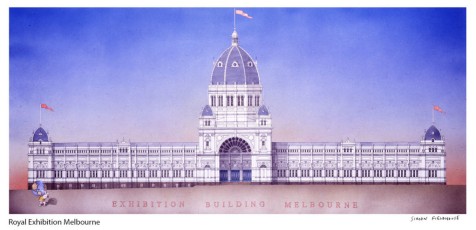
The Royal Exhibition Building, located in Melbourne, Australia, is an iconic architectural masterpiece and a testament to the city's rich history. Designed by Joseph Reed, this magnificent structure was built in 1880 and played a pivotal role in shaping Melbourne's identity as a dynamic and progressive city. Today, it stands as a UNESCO World Heritage site, symbolizing both the architectural and cultural significance of this stunning edifice.
Historical Significance
The Royal Exhibition Building was constructed to serve as the main venue for the Melbourne International Exhibition of 1880. This grand event was held to celebrate the city's growing prominence, showcasing Melbourne's innovations and progress in the late 19th century. The structure's historical importance was further cemented when it hosted the opening of Australia's first federal parliament in 1901.
Architectural Marvel
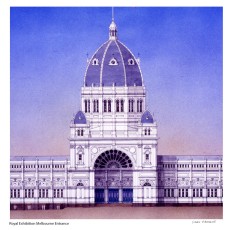
The design of the Royal Exhibition Building is a splendid example of 19th-century neoclassical architecture. Its elegant proportions, intricate detailing, and soaring dome capture the essence of an era when grandeur and beauty were highly regarded in architectural design. The building's dome, in particular, is an exceptional feature, reaching a height of 67 meters and adorned with exquisite frescoes. The entire structure is surrounded by a beautifully landscaped Carlton Gardens, which adds to its charm and aesthetic appeal.
UNESCO World Heritage Status
In 2004, the Royal Exhibition Building was recognized by UNESCO as a World Heritage site, a title it shares with very few architectural marvels worldwide. The inscription on the World Heritage list highlighted the building's architectural significance and its role in the cultural, social, and economic development of Melbourne.
Cultural and Event Hub
Over the years, the Royal Exhibition Building has continued to serve as a cultural and event hub. It hosts various exhibitions, trade shows, and cultural events, attracting visitors and exhibitors from around the world. The annual Melbourne International Flower and Garden Show is a popular event held at the venue, attracting horticultural enthusiasts and nature lovers.
Preservation Efforts
Preserving the Royal Exhibition Building has been a priority for the government and conservationists. Extensive restoration work has been carried out to ensure that the building retains its original grandeur. The ongoing care and conservation efforts have allowed future generations to appreciate this iconic structure in all its glory.
Conclusion
The Royal Exhibition Building in Melbourne stands as an enduring testament to the city's rich history and architectural prowess. Its historical significance, architectural beauty, and cultural relevance make it a cherished icon in Melbourne's landscape. With its UNESCO World Heritage status and continued use as an event venue, the Royal Exhibition Building continues to inspire and captivate all who have the privilege to encounter its grandeur. As a symbol of Melbourne's past, present, and future, this architectural gem remains an integral part of the city's identity.
- Neoclassical Design: The dome is a classic example of neoclassical architectural design, which was a prominent style in the 19th century. Neoclassical architecture drew inspiration from the classical architecture of ancient Greece and Rome, emphasizing symmetry, proportion, and the use of classical elements such as columns, pediments, and domes.
- Grand Proportions: The dome of the Royal Exhibition Building is a grand architectural feature. It soars to a height of 67 meters (approximately 220 feet), making it one of the largest domes in the world. Its immense size adds to the building's sense of grandeur and majesty.
- Intricate Detailing: The dome is adorned with intricate detailing, including classical motifs, decorative friezes, and intricate plasterwork. These details add an element of visual richness and sophistication to the structure.
- Colonnaded Portico: Surrounding the base of the dome is a colonnaded portico featuring a series of columns, each topped with Corinthian capitals. This portico creates a sense of grand entrance and adds to the overall aesthetic appeal of the dome.
- Skylights and Natural Light: The dome's design incorporates a series of skylights, allowing natural light to filter into the interior of the building. This design choice not only contributes to the visual splendor of the dome but also serves a practical purpose in illuminating the exhibition space below.
- Frescoes: The interior of the dome features a series of magnificent frescoes created by the renowned Australian artist John Ross. These frescoes depict various allegorical and historical themes, adding to the cultural and artistic significance of the structure.
- Geodesic Construction: The dome's structural design is unique in that it employs a geodesic construction method. A network of interlocking iron and steel elements provides the dome with its strength and stability. This innovative engineering technique was advanced for its time and contributed to the dome's ability to withstand the test of time.
- Preservation and Restoration: The dome, like the rest of the Royal Exhibition Building, has undergone significant preservation and restoration efforts to ensure its longevity and structural integrity. These efforts include careful cleaning, repair of structural elements, and restoration of the frescoes.
In conclusion, the dome of the Royal Exhibition Building is a remarkable architectural feat that combines neoclassical design principles with innovative construction techniques of its era. Its towering presence, intricate detailing, and artistic embellishments make it a true architectural masterpiece. As the crowning jewel of this historic structure, the dome continues to captivate visitors and stands as an enduring symbol of Melbourne's rich architectural heritage.
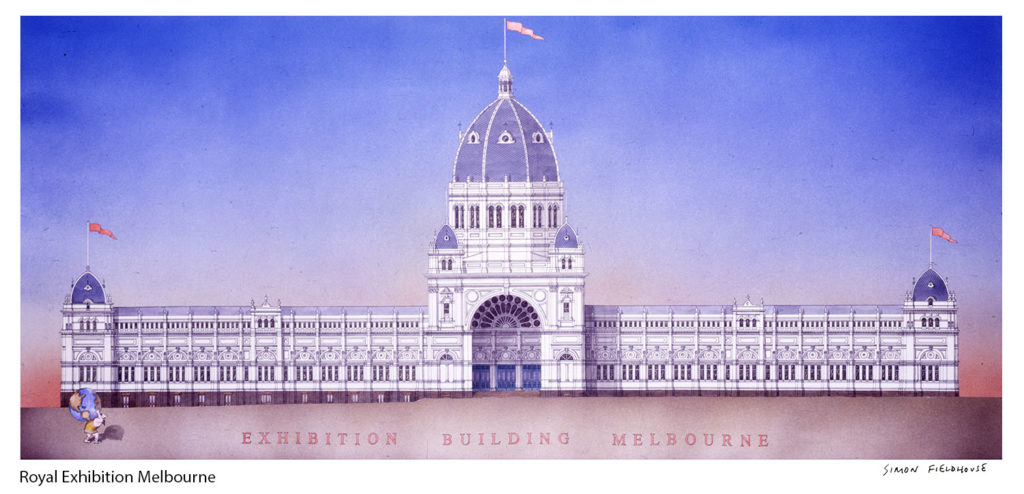
Royal Exhibition Building Melbourne
Title: The Royal Exhibition Building in Melbourne: A Marvel of Architecture and History
Introduction
The Royal Exhibition Building, located in Melbourne, Australia, is an iconic architectural masterpiece and a testament to the city's rich history. Designed by Joseph Reed, this magnificent structure was built in 1880 and played a pivotal role in shaping Melbourne's identity as a dynamic and progressive city. Today, it stands as a UNESCO World Heritage site, symbolizing both the architectural and cultural significance of this stunning edifice.
Historical Significance
The Royal Exhibition Building was constructed to serve as the main venue for the Melbourne International Exhibition of 1880. This grand event was held to celebrate the city's growing prominence, showcasing Melbourne's innovations and progress in the late 19th century. The structure's historical importance was further cemented when it hosted the opening of Australia's first federal parliament in 1901.
Architectural Marvel
The design of the Royal Exhibition Building is a splendid example of 19th-century neoclassical architecture. Its elegant proportions, intricate detailing, and soaring dome capture the essence of an era when grandeur and beauty were highly regarded in architectural design. The building's dome, in particular, is an exceptional feature, reaching a height of 67 meters and adorned with exquisite frescoes. The entire structure is surrounded by a beautifully landscaped Carlton Gardens, which adds to its charm and aesthetic appeal.
UNESCO World Heritage Status
In 2004, the Royal Exhibition Building was recognized by UNESCO as a World Heritage site, a title it shares with very few architectural marvels worldwide. The inscription on the World Heritage list highlighted the building's architectural significance and its role in the cultural, social, and economic development of Melbourne.
Cultural and Event Hub
Over the years, the Royal Exhibition Building has continued to serve as a cultural and event hub. It hosts various exhibitions, trade shows, and cultural events, attracting visitors and exhibitors from around the world. The annual Melbourne International Flower and Garden Show is a popular event held at the venue, attracting horticultural enthusiasts and nature lovers.
Preservation Efforts
Preserving the Royal Exhibition Building has been a priority for the government and conservationists. Extensive restoration work has been carried out to ensure that the building retains its original grandeur. The ongoing care and conservation efforts have allowed future generations to appreciate this iconic structure in all its glory.
Conclusion
The Royal Exhibition Building in Melbourne stands as an enduring testament to the city's rich history and architectural prowess. Its historical significance, architectural beauty, and cultural relevance make it a cherished icon in Melbourne's landscape. With its UNESCO World Heritage status and continued use as an event venue, the Royal Exhibition Building continues to inspire and captivate all who have the privilege to encounter its grandeur. As a symbol of Melbourne's past, present, and future, this architectural gem remains an integral part of the city's identity.
- Neoclassical Design: The dome is a classic example of neoclassical architectural design, which was a prominent style in the 19th century. Neoclassical architecture drew inspiration from the classical architecture of ancient Greece and Rome, emphasizing symmetry, proportion, and the use of classical elements such as columns, pediments, and domes.
- Grand Proportions: The dome of the Royal Exhibition Building is a grand architectural feature. It soars to a height of 67 meters (approximately 220 feet), making it one of the largest domes in the world. Its immense size adds to the building's sense of grandeur and majesty.
- Intricate Detailing: The dome is adorned with intricate detailing, including classical motifs, decorative friezes, and intricate plasterwork. These details add an element of visual richness and sophistication to the structure.
- Colonnaded Portico: Surrounding the base of the dome is a colonnaded portico featuring a series of columns, each topped with Corinthian capitals. This portico creates a sense of grand entrance and adds to the overall aesthetic appeal of the dome.
- Skylights and Natural Light: The dome's design incorporates a series of skylights, allowing natural light to filter into the interior of the building. This design choice not only contributes to the visual splendor of the dome but also serves a practical purpose in illuminating the exhibition space below.
- Frescoes: The interior of the dome features a series of magnificent frescoes created by the renowned Australian artist John Ross. These frescoes depict various allegorical and historical themes, adding to the cultural and artistic significance of the structure.
- Geodesic Construction: The dome's structural design is unique in that it employs a geodesic construction method. A network of interlocking iron and steel elements provides the dome with its strength and stability. This innovative engineering technique was advanced for its time and contributed to the dome's ability to withstand the test of time.
- Preservation and Restoration: The dome, like the rest of the Royal Exhibition Building, has undergone significant preservation and restoration efforts to ensure its longevity and structural integrity. These efforts include careful cleaning, repair of structural elements, and restoration of the frescoes.
In conclusion, the dome of the Royal Exhibition Building is a remarkable architectural feat that combines neoclassical design principles with innovative construction techniques of its era. Its towering presence, intricate detailing, and artistic embellishments make it a true architectural masterpiece. As the crowning jewel of this historic structure, the dome continues to captivate visitors and stands as an enduring symbol of Melbourne's rich architectural heritage.