The Bendigo Post Office, located in the heart of Bendigo, Victoria, Australia, stands as a testament to the city's rich history and its significance in the development of the region. This iconic building not only serves as a functional hub for postal services but also embodies a sense of historical and architectural significance.
The story of Bendigo Post Office begins in the 1850s, during the Victorian Gold Rush, when this bustling city was known as Sandhurst. The gold rush transformed the landscape, attracting thousands of hopeful prospectors, and the need for communication and postal services skyrocketed. To meet this demand, construction of the Bendigo Post Office commenced in 1854. Designed by architect Thomas Alexander, the building stands as a prime example of the Victorian Free Classical architectural style, characterized by its elaborate facade and grandiose columns.
What makes Bendigo Post Office particularly noteworthy is its architectural beauty. The building's facade features stunning Corinthian columns, intricate decorative motifs, and an imposing central clock tower. The clock tower, adorned with a prominent clock face and intricate detailing, is a recognizable landmark of Bendigo, offering a visual reference point for locals and visitors alike.
In addition to its aesthetic appeal, the Bendigo Post Office has played a vital role in the city's history. Over the years, it has evolved to offer a range of postal and communication services, adapting to the changing needs of the community. This adaptability is a testament to its enduring importance in Bendigo.
Moreover, the Bendigo Post Office serves as a cultural touchstone for the community. It has hosted various exhibitions and events, celebrating the region's history and culture. The Bendigo Philatelic Society, for instance, has used the building as a platform for stamp exhibitions, attracting collectors and enthusiasts from far and wide.
The Bendigo Post Office's historical significance is not limited to its physical structure. It is a symbol of the city's resilience and growth over the years. Despite changes in communication technology and evolving postal services, the post office has remained an integral part of Bendigo's identity.
In conclusion, the Bendigo Post Office is more than just a functional facility for postal services; it is a historical landmark that symbolizes the city's history and culture. Its architectural beauty, adaptability, and cultural importance make it an iconic structure in Bendigo. As it continues to serve the community, the Bendigo Post Office reminds us of the enduring value of preserving our historical landmarks, which bridge the past and present, offering a sense of continuity and pride for future generations. Whether you visit Bendigo as a tourist or call it home, the Bendigo Post Office will always stand as a proud symbol of this vibrant and dynamic city's history.
- Facade and Columns: The Bendigo Post Office's facade is a standout feature. It boasts impressive Corinthian columns, which are known for their ornate and highly detailed capitals. These columns are not merely functional but serve a decorative purpose as well, adding a sense of grandeur to the building. The columns support the building's entablature, creating a sense of verticality and balance.
- Clock Tower: The central clock tower is a focal point of the post office's architecture. It stands tall and is adorned with intricate detailing. The clock face, featuring Roman numerals, is not only functional but also contributes to the building's identity as a recognizable landmark. The clock tower is topped with an ornate cupola, which adds to the building's overall elegance.
- Decorative Motifs: The Bendigo Post Office features a wealth of decorative motifs, including friezes, pediments, and architraves. These details are intricately carved and adorned with various decorative elements, such as floral patterns and scrollwork, contributing to the overall opulence of the structure.
- Balustrades and Arches: The building incorporates balustrades along the roofline, adding a finishing touch to the design. Arches and pilasters also feature prominently, enhancing the visual appeal of the post office's exterior.
- Materials: The Bendigo Post Office is constructed from local materials, showcasing the use of regional sandstone, which imparts a warm and earthy hue to the building. This use of local stone adds to the building's connection with its surroundings and the history of the area.
- Symmetry: The architecture of the Bendigo Post Office is known for its symmetrical design. The central clock tower is flanked by two wings, creating a sense of balance and harmony in the building's layout.
- Interior: While the exterior is a testament to the grandeur of Victorian Free Classical architecture, the interior is no less impressive. The spacious interior features high ceilings, ornate plasterwork, and decorative elements that continue the theme of classical opulence.
The architectural design of the Bendigo Post Office not only serves practical purposes but also reflects the aspirations and values of the era in which it was built. Its richly decorated exterior and interior contribute to its historical and cultural significance, making it a building of great architectural value. It stands as a visual reminder of the past, showcasing the craftsmanship and attention to detail that characterized 19th-century architecture in Australia.
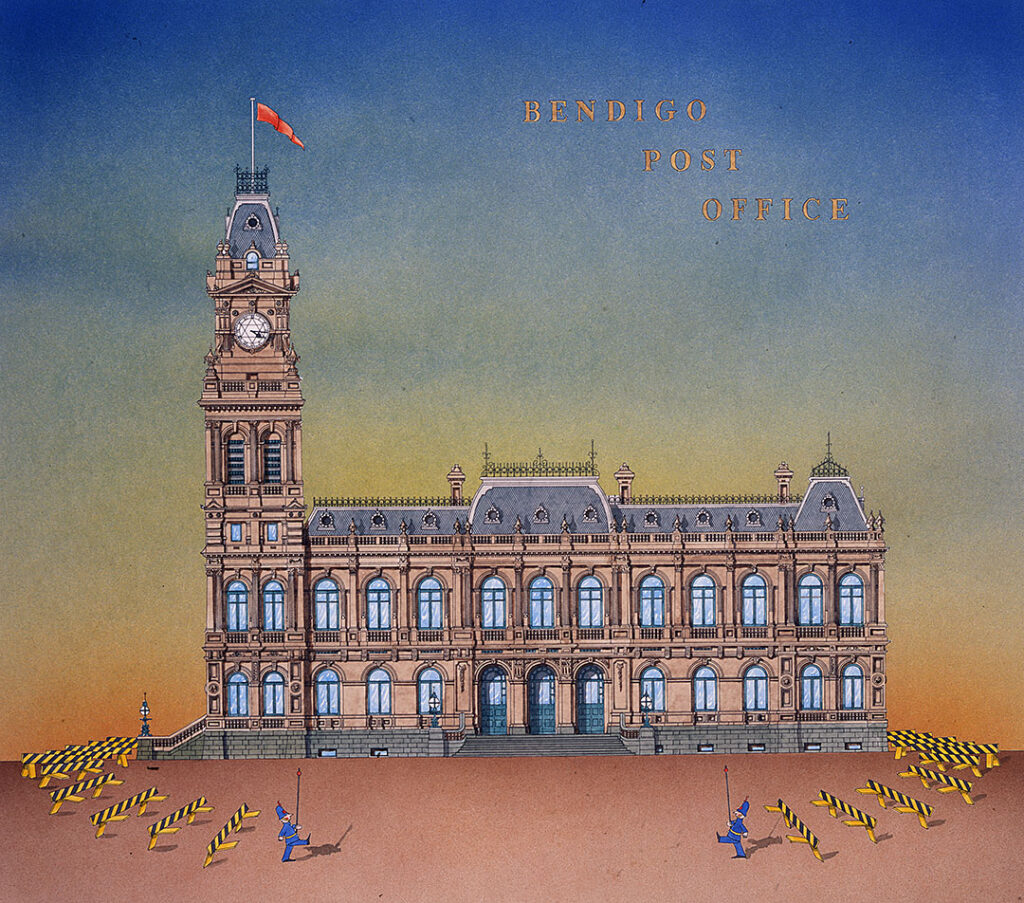
The Bendigo Post Office
The Bendigo Post Office, located in the heart of Bendigo, Victoria, Australia, stands as a testament to the city's rich history and its significance in the development of the region. This iconic building not only serves as a functional hub for postal services but also embodies a sense of historical and architectural significance.
The story of Bendigo Post Office begins in the 1850s, during the Victorian Gold Rush, when this bustling city was known as Sandhurst. The gold rush transformed the landscape, attracting thousands of hopeful prospectors, and the need for communication and postal services skyrocketed. To meet this demand, construction of the Bendigo Post Office commenced in 1854. Designed by architect Thomas Alexander, the building stands as a prime example of the Victorian Free Classical architectural style, characterized by its elaborate facade and grandiose columns.
What makes Bendigo Post Office particularly noteworthy is its architectural beauty. The building's facade features stunning Corinthian columns, intricate decorative motifs, and an imposing central clock tower. The clock tower, adorned with a prominent clock face and intricate detailing, is a recognizable landmark of Bendigo, offering a visual reference point for locals and visitors alike.
In addition to its aesthetic appeal, the Bendigo Post Office has played a vital role in the city's history. Over the years, it has evolved to offer a range of postal and communication services, adapting to the changing needs of the community. This adaptability is a testament to its enduring importance in Bendigo.
Moreover, the Bendigo Post Office serves as a cultural touchstone for the community. It has hosted various exhibitions and events, celebrating the region's history and culture. The Bendigo Philatelic Society, for instance, has used the building as a platform for stamp exhibitions, attracting collectors and enthusiasts from far and wide.
The Bendigo Post Office's historical significance is not limited to its physical structure. It is a symbol of the city's resilience and growth over the years. Despite changes in communication technology and evolving postal services, the post office has remained an integral part of Bendigo's identity.
In conclusion, the Bendigo Post Office is more than just a functional facility for postal services; it is a historical landmark that symbolizes the city's history and culture. Its architectural beauty, adaptability, and cultural importance make it an iconic structure in Bendigo. As it continues to serve the community, the Bendigo Post Office reminds us of the enduring value of preserving our historical landmarks, which bridge the past and present, offering a sense of continuity and pride for future generations. Whether you visit Bendigo as a tourist or call it home, the Bendigo Post Office will always stand as a proud symbol of this vibrant and dynamic city's history.
- Facade and Columns: The Bendigo Post Office's facade is a standout feature. It boasts impressive Corinthian columns, which are known for their ornate and highly detailed capitals. These columns are not merely functional but serve a decorative purpose as well, adding a sense of grandeur to the building. The columns support the building's entablature, creating a sense of verticality and balance.
- Clock Tower: The central clock tower is a focal point of the post office's architecture. It stands tall and is adorned with intricate detailing. The clock face, featuring Roman numerals, is not only functional but also contributes to the building's identity as a recognizable landmark. The clock tower is topped with an ornate cupola, which adds to the building's overall elegance.
- Decorative Motifs: The Bendigo Post Office features a wealth of decorative motifs, including friezes, pediments, and architraves. These details are intricately carved and adorned with various decorative elements, such as floral patterns and scrollwork, contributing to the overall opulence of the structure.
- Balustrades and Arches: The building incorporates balustrades along the roofline, adding a finishing touch to the design. Arches and pilasters also feature prominently, enhancing the visual appeal of the post office's exterior.
- Materials: The Bendigo Post Office is constructed from local materials, showcasing the use of regional sandstone, which imparts a warm and earthy hue to the building. This use of local stone adds to the building's connection with its surroundings and the history of the area.
- Symmetry: The architecture of the Bendigo Post Office is known for its symmetrical design. The central clock tower is flanked by two wings, creating a sense of balance and harmony in the building's layout.
- Interior: While the exterior is a testament to the grandeur of Victorian Free Classical architecture, the interior is no less impressive. The spacious interior features high ceilings, ornate plasterwork, and decorative elements that continue the theme of classical opulence.
The architectural design of the Bendigo Post Office not only serves practical purposes but also reflects the aspirations and values of the era in which it was built. Its richly decorated exterior and interior contribute to its historical and cultural significance, making it a building of great architectural value. It stands as a visual reminder of the past, showcasing the craftsmanship and attention to detail that characterized 19th-century architecture in Australia.