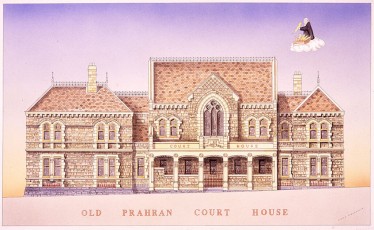
The Old Prahran Court House in Melbourne, Australia, stands as a historic and architectural gem that reflects the city's rich heritage and its commitment to preserving its past. This elegant edifice, nestled in the heart of the vibrant Prahran neighborhood, offers a fascinating glimpse into Melbourne's history and is a testament to the city's dedication to conserving its cultural heritage.
Built in 1861, the Old Prahran Court House was designed by architect G. W. Vivian in the Greek Revival style, characterized by its imposing columns, symmetric façade, and timeless grandeur. It served as a courthouse for more than a century, playing a crucial role in the administration of justice in the region. The building is a fine example of 19th-century colonial architecture, and its historical significance cannot be overstated.
Today, the Old Prahran Court House has been repurposed to house a vibrant mix of businesses and community organizations, including art galleries, boutique shops, and cafes. This adaptive reuse of the building preserves its historic charm while injecting new life and purpose into it. The building's graceful architecture and rich history create a unique and inspiring backdrop for the businesses that now call it home.
One of the most remarkable aspects of the Old Prahran Court House is its meticulous preservation. The city of Melbourne has invested considerable resources in maintaining the building's structural integrity, and the result is a site that appears almost frozen in time. The grand courtroom, with its high ceilings, wooden panelling, and ornate fittings, has been carefully restored to transport visitors back to an era when justice was served within its walls.
Beyond its historical significance and architectural beauty, the Old Prahran Court House holds a special place in the hearts of locals and visitors alike. It is a gathering place for art exhibitions, cultural events, and community meetings, contributing to the vibrant atmosphere of the Prahran neighborhood. The building's welcoming ambiance and historical presence make it a center for both cultural enrichment and community engagement.
In conclusion, the Old Prahran Court House in Melbourne serves as a symbol of the city's commitment to preserving its historical heritage and repurposing it for contemporary use. Its impressive Greek Revival architecture, rich history, and adaptive reuse make it a unique and cherished landmark in Melbourne. The Old Prahran Court House stands not only as a testament to the city's past but also as a source of inspiration and a hub for community engagement, ensuring that its legacy endures for generations to come. This historic courthouse is a living testament to Melbourne's reverence for its past, and it continues to play a vital role in the life of the city, uniting history and modernity in a harmonious blend.
- Ionic Columns: One of the most prominent features of the building is its grand entrance, flanked by four massive Ionic columns. These columns are adorned with intricately carved capitals, which are characteristic of the Greek Ionic order. These columns not only provide structural support but also convey a sense of grandeur and classical elegance.
- Symmetrical Design: The building exhibits a strict sense of symmetry in its design, which is a hallmark of the Greek Revival style. The central entrance is balanced by matching windows on either side, creating a sense of harmony and balance in the façade.
- Pediment: The building's façade is crowned with a pediment, which is a triangular gable often seen in classical architecture. In the case of the Old Prahran Court House, the pediment is adorned with decorative elements, adding to the building's aesthetic appeal.
- Stonework: The exterior of the court house is primarily constructed using bluestone, a common building material in the 19th century. The use of bluestone not only gives the building a solid and enduring quality but also provides a visually pleasing contrast with the white columns and details.
- Sash Windows: The windows on the building are tall, narrow, and divided into multiple panes, reflecting the architectural trends of the time. Sash windows were practical for regulating temperature and provided an elegant appearance.
- High Ceilings: Inside the court house, the grand courtroom features high ceilings that not only create a sense of spaciousness but also showcase decorative plasterwork and ornate chandeliers, further emphasizing the architectural grandeur of the building's interior.
The Greek Revival style, which was prevalent during the mid-19th century, aimed to evoke a sense of authority, democracy, and classicism. It was often chosen for government and public buildings to convey these ideals. The Old Prahran Court House's use of this architectural style not only aligned with its role as a place of justice but also added to its imposing and dignified presence within the community.
In summary, the Old Prahran Court House's Greek Revival architecture is a testament to the era in which it was built, reflecting the classical influences of the time. Its imposing columns, pediments, and meticulous detailing contribute to its historic and aesthetic significance, making it a visually striking and culturally important landmark in Melbourne. The building's architectural features continue to captivate visitors and serve as a lasting reminder of a bygone era.
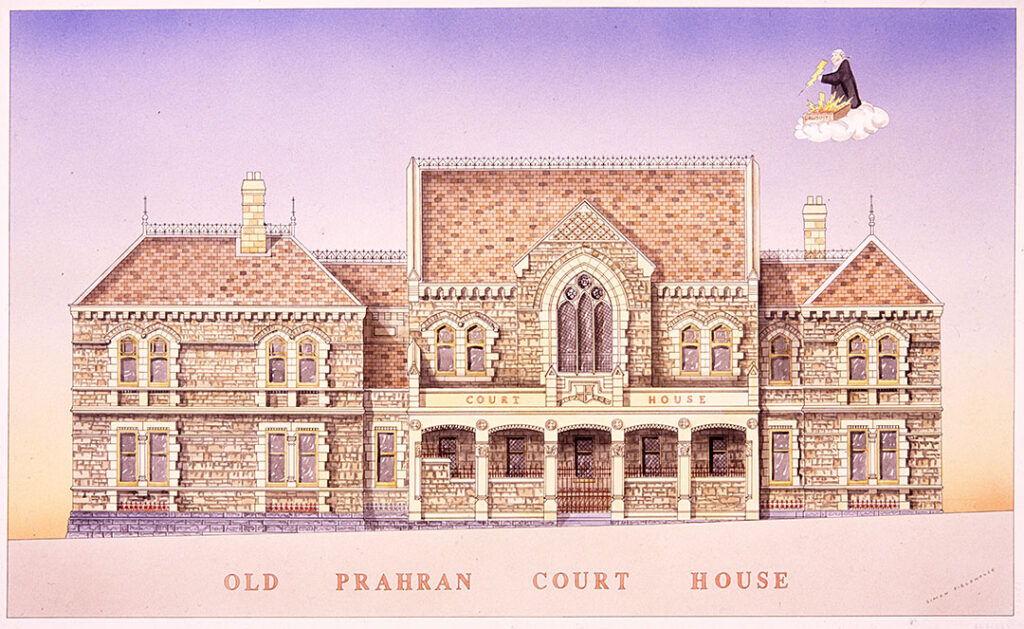
The Old Prahran Court House - Melbourne
The Old Prahran Court House in Melbourne, Australia, stands as a historic and architectural gem that reflects the city's rich heritage and its commitment to preserving its past. This elegant edifice, nestled in the heart of the vibrant Prahran neighborhood, offers a fascinating glimpse into Melbourne's history and is a testament to the city's dedication to conserving its cultural heritage.
Built in 1861, the Old Prahran Court House was designed by architect G. W. Vivian in the Greek Revival style, characterized by its imposing columns, symmetric façade, and timeless grandeur. It served as a courthouse for more than a century, playing a crucial role in the administration of justice in the region. The building is a fine example of 19th-century colonial architecture, and its historical significance cannot be overstated.
Today, the Old Prahran Court House has been repurposed to house a vibrant mix of businesses and community organizations, including art galleries, boutique shops, and cafes. This adaptive reuse of the building preserves its historic charm while injecting new life and purpose into it. The building's graceful architecture and rich history create a unique and inspiring backdrop for the businesses that now call it home.
One of the most remarkable aspects of the Old Prahran Court House is its meticulous preservation. The city of Melbourne has invested considerable resources in maintaining the building's structural integrity, and the result is a site that appears almost frozen in time. The grand courtroom, with its high ceilings, wooden panelling, and ornate fittings, has been carefully restored to transport visitors back to an era when justice was served within its walls.
Beyond its historical significance and architectural beauty, the Old Prahran Court House holds a special place in the hearts of locals and visitors alike. It is a gathering place for art exhibitions, cultural events, and community meetings, contributing to the vibrant atmosphere of the Prahran neighborhood. The building's welcoming ambiance and historical presence make it a center for both cultural enrichment and community engagement.
In conclusion, the Old Prahran Court House in Melbourne serves as a symbol of the city's commitment to preserving its historical heritage and repurposing it for contemporary use. Its impressive Greek Revival architecture, rich history, and adaptive reuse make it a unique and cherished landmark in Melbourne. The Old Prahran Court House stands not only as a testament to the city's past but also as a source of inspiration and a hub for community engagement, ensuring that its legacy endures for generations to come. This historic courthouse is a living testament to Melbourne's reverence for its past, and it continues to play a vital role in the life of the city, uniting history and modernity in a harmonious blend.
- Ionic Columns: One of the most prominent features of the building is its grand entrance, flanked by four massive Ionic columns. These columns are adorned with intricately carved capitals, which are characteristic of the Greek Ionic order. These columns not only provide structural support but also convey a sense of grandeur and classical elegance.
- Symmetrical Design: The building exhibits a strict sense of symmetry in its design, which is a hallmark of the Greek Revival style. The central entrance is balanced by matching windows on either side, creating a sense of harmony and balance in the façade.
- Pediment: The building's façade is crowned with a pediment, which is a triangular gable often seen in classical architecture. In the case of the Old Prahran Court House, the pediment is adorned with decorative elements, adding to the building's aesthetic appeal.
- Stonework: The exterior of the court house is primarily constructed using bluestone, a common building material in the 19th century. The use of bluestone not only gives the building a solid and enduring quality but also provides a visually pleasing contrast with the white columns and details.
- Sash Windows: The windows on the building are tall, narrow, and divided into multiple panes, reflecting the architectural trends of the time. Sash windows were practical for regulating temperature and provided an elegant appearance.
- High Ceilings: Inside the court house, the grand courtroom features high ceilings that not only create a sense of spaciousness but also showcase decorative plasterwork and ornate chandeliers, further emphasizing the architectural grandeur of the building's interior.
The Greek Revival style, which was prevalent during the mid-19th century, aimed to evoke a sense of authority, democracy, and classicism. It was often chosen for government and public buildings to convey these ideals. The Old Prahran Court House's use of this architectural style not only aligned with its role as a place of justice but also added to its imposing and dignified presence within the community.
In summary, the Old Prahran Court House's Greek Revival architecture is a testament to the era in which it was built, reflecting the classical influences of the time. Its imposing columns, pediments, and meticulous detailing contribute to its historic and aesthetic significance, making it a visually striking and culturally important landmark in Melbourne. The building's architectural features continue to captivate visitors and serve as a lasting reminder of a bygone era.